

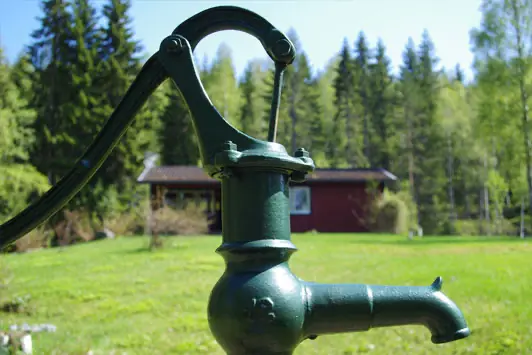
Few things disrupt a household faster than losing water in the middle of winter, especially during Christmas week. Families gather, water use spikes, temperatures drop, and your well system is under more pressure than at any other time of the year. When the pump suddenly quits during this already stressful season, homeowners find themselves facing an emergency replacement under harsh conditions.
Cold weather, frozen ground, and high demand all combine to make winter failures more dramatic and more urgent. Understanding why these failures happen and what to expect during a mid-winter replacement can help turn a stressful situation into a manageable one.
What Causes a Well Pump to Stop Working During the Coldest Weeks of Winter?
When temperatures fall, well systems encounter conditions that rarely exist during warmer months. The pump, which already runs daily to support your home’s water needs, must work harder to compensate for the challenges that winter brings. Many of the issues that cause pumps to fail in December or January have been building quietly for months or even years. Winter simply pushes them over the edge.
Common reasons well pumps stop working during the coldest weeks include:
- Frozen or Restricted Water Lines – When pipes partially freeze, water flow drops. The pump compensates by running longer, which accelerates wear.
- Increased Household Water Usage – Holiday cooking, cleaning, guests, and showers strain a pump already working overtime.
- Cold Water Density – Colder water is slightly denser, making the pump work harder with every cycle.
- Aging Components – Older pumps that operated fine in summer can’t handle the sudden winter load.
- Electrical Stress – Cold weather increases startup resistance, which can expose weak wiring or worn electrical components.
Winter doesn’t create pump problems on its own, but it magnifies existing ones. Once the strain gets too high, the system shuts down, often with little warning.
How Cold Weather Affects the Timing of a Well Pump Replacement?
Winter conditions influence not just the failure itself, but also how quickly a pump can be replaced. Cold temperatures, limited daylight, and frozen ground all complicate the process. A job that might take a few hours in summer can require more time, more equipment, and more caution in winter.
Cold weather affects replacement timing in several key ways:
- Frozen Soil Slows Access – When the ground freezes, it becomes harder to reach the well components. Crews may need specialized tools.
- Ice and Snow Create Safety Concerns – Extra precautions are necessary when equipment, tools, and surfaces are slippery.
- Limited Daylight Hours – Winter brings shorter work windows, which can affect multi-hour replacements.
- Heavier Pump Load Testing – After installation, the pump must be tested against winter conditions to ensure reliability.
- Weather-Dependent Scheduling – Severe cold snaps or storms can delay non-emergency work, although urgent replacements move to the top of the list.
Despite these challenges, an experienced team is trained to handle mid-winter pump replacements efficiently, even when conditions are far from ideal.
Why Well Pumps Fail More Often During the Holiday Season?
It’s no accident that many pump failures occur between mid-December and early January. The holiday season is one of the most demanding periods for any home’s water system. The combination of increased usage, extreme weather, and postponed maintenance creates the perfect conditions for a pump to fail.
Several factors drive holiday-season failures:
- Water Use Peaks – Families cook large meals, host guests, and run laundry and dishwashers more frequently.
- Postponed Maintenance – Many homeowners push routine servicing into “next year,” not realizing winter demands are about to hit.
- Colder Ground Temperatures – Pumps operate longer cycles as groundwater cools, exposing worn components.
- Electrical Surges – Holiday lighting and heating loads can strain electrical systems, affecting pump performance.
- Long Duty Cycles – A pump that normally cycles moderately through the year suddenly runs nonstop during holiday gatherings.
By the time Christmas week arrives, every weak point in the system has been tested. If something is going to fail, this is usually the moment it happens. That’s why emergency calls rise sharply during this season, keeping professionals like Well Doctor LLC busy responding to urgent pump failures.
What Homeowners Should Expect During a Mid-Winter Emergency Pump Replacement?
A mid-winter pump replacement can feel overwhelming, especially when it interrupts holiday plans. Knowing what to expect helps reduce stress and prepares the household for the restoration process.
Here’s what homeowners can expect:
1. Immediate Assessment – A technician evaluates the cause of the pump failure, confirms whether replacement is necessary, and identifies any additional issues, such as frozen pipes or pressure tank problems.
2. Equipment Preparation and Safety Measures – Winter replacements require cold-weather gear, insulated equipment, and safety checks for icy surfaces.
3. Pump Removal – Once the system is shut down, the old pump is carefully extracted. This step may take longer if the drop pipe or wiring is brittle from cold exposure.
4. Installation of the New Pump – The replacement pump is lowered into the well, connected, and aligned to ensure it operates efficiently under winter conditions.
5. System Testing and Calibration – Pressure, flow rate, and electrical load are checked thoroughly. Winter testing helps confirm the new pump can handle seasonal demands.
6. Temporary Water Solutions – For complicated replacements, providers may offer short-term water alternatives to minimize disruption.
Winter emergencies require efficiency, but they also require precision. Rushing a replacement can lead to leaks, wiring issues, or premature pump failure. This is why relying on an experienced team like Well Doctor LLC ensures that the job is handled correctly and safely, even in harsh conditions.
Restore Your Water Fast With Well Doctor LLC This Winter
When your pump fails during the coldest weeks of the year, you need a team that responds quickly, works safely, and restores your water as soon as possible. Well Doctor LLC is equipped to handle mid-winter pump emergencies with reliable service and experienced technicians who understand the challenges cold weather brings.
Whether your pump quit during a holiday gathering or stopped without warning on a freezing morning, we can diagnose the issue and provide a fast, efficient replacement. Don’t wait for the problem to worsen. Contact us now and get your home’s water supply running again with confidence.