

When winter settles in and temperatures dip below freezing, most homeowners think about frozen pipes inside the house. What often gets overlooked is the well system quietly working outside.
Cold weather can be tough on wells, pumps, and pressure systems, especially if there are small issues already present. That’s why winter well inspections matter. Professionals don’t just check if water is flowing today. They look for weak points that cold weather can turn into major problems tomorrow.
Understanding what goes into a winter well inspection can help homeowners avoid sudden water loss, costly repairs, and mid-winter emergencies.
What does a winter well inspection check when temperatures fall below freezing?
A winter well inspection focuses on protecting the system from freezing, pressure loss, and mechanical strain. Cold temperatures don’t usually create new problems. They expose the ones that were already there.
During a winter inspection, professionals typically check:
- Well head condition and insulation
- Exposed pipes and fittings
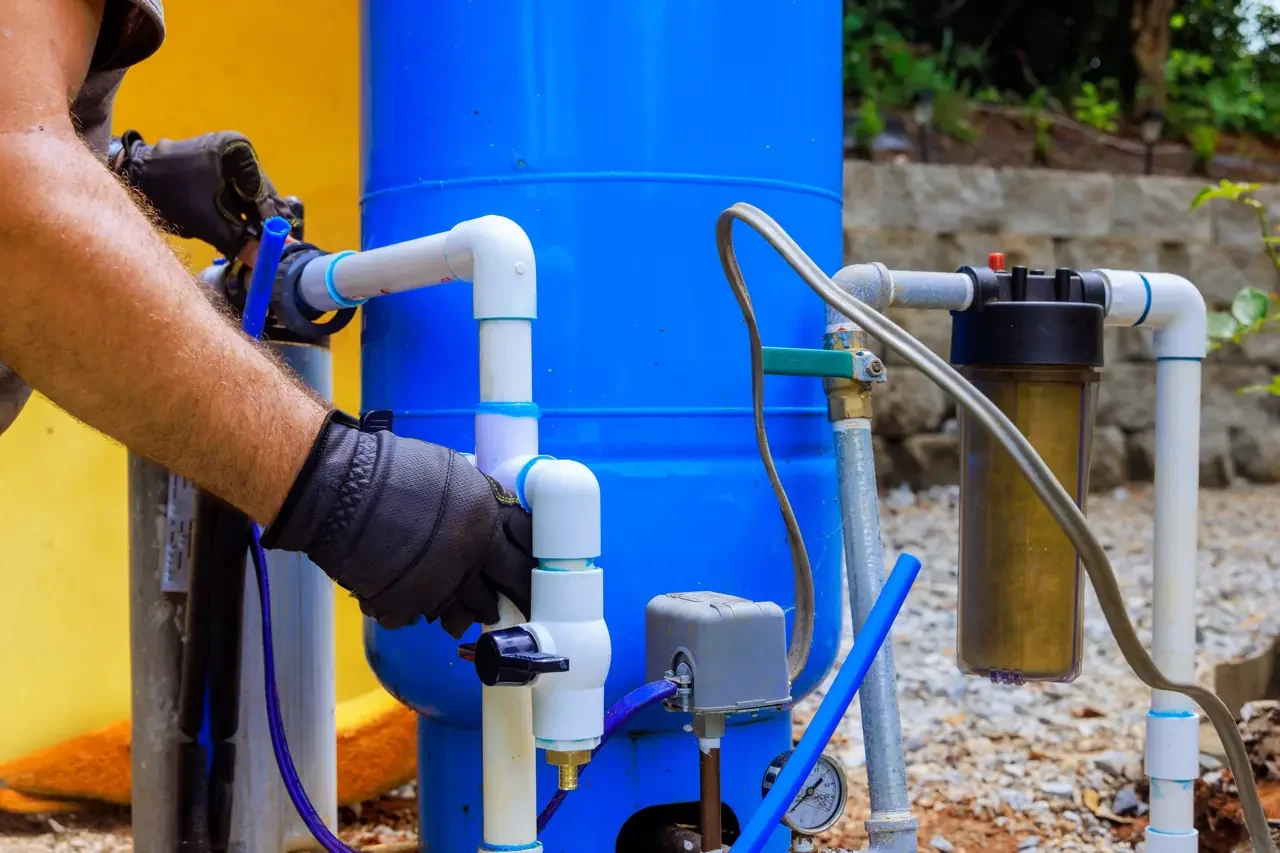
- Pressure tank operation
- Electrical connections and controls
- Pump performance under cold conditions
- Signs of leaks or moisture intrusion
- Freeze protection measures already in place
The well head is a major focus. If it’s not sealed properly or insulated, cold air can enter and freeze components below ground. Professionals also inspect any exposed piping for cracks, gaps, or poor insulation that could allow freezing.
Pressure tanks and switches are tested to ensure they respond correctly. Cold weather can affect pressure readings and cause short cycling. Electrical components are also checked since moisture and freezing temperatures can damage connections. The goal is to make sure the entire system can handle sustained cold without failure.
Why do wells and water systems need professional inspections during cold weather?
Cold weather puts unique stress on well systems that homeowners often can’t see or detect on their own. While water may still be flowing, underlying issues can quietly worsen as temperatures drop.
Wells need professional inspections during winter because:
- Freezing temperatures amplify small weaknesses
- Ice expansion can crack pipes and fittings
- Pumps work harder when systems struggle
- Pressure problems can appear suddenly
- Electrical failures are more common in cold conditions
- Emergency repairs are harder and more expensive in winter
Professionals know what to look for before problems become obvious. A small leak or minor pressure fluctuation in mild weather can turn into a frozen line or pump failure during a cold snap.
Winter inspections are also about prevention. Fixing insulation, sealing gaps, or adjusting pressure settings early can save homeowners from losing water during the coldest days of the year. It’s much easier to address issues before snow, ice, and freezing ground make repairs more complicated and disruptive.
How can freezing temperatures affect well pumps and water pressure?
Freezing temperatures can have a direct impact on how well pumps and pressure systems operate. Even when water doesn’t freeze completely, cold conditions can change how the system behaves.
Common cold-weather effects include:
- Reduced water pressure
- Short cycling of the pump
- Frozen or partially frozen supply lines
- Increased electrical load on the pump
- Delayed pressure switch response
- Stress on seals and internal components
When pipes partially freeze, water flow becomes restricted. That restriction causes pressure drops inside the home and forces the pump to run more often. Short cycling is especially hard on pumps and can significantly shorten their lifespan.
Cold weather can also affect pressure tanks. Air pressure inside the tank may change with temperature, throwing off the balance between the pump and the system. Electrical components can become brittle or corroded if moisture freezes inside control boxes.
Professionals look at how the system responds under load, not just whether it turns on. This helps identify cold-related issues before they lead to complete pump failure or water loss.
What issues do professionals look for in well systems before winter conditions worsen?
Before winter conditions reach their worst, professionals take a proactive approach. They look for warning signs that indicate a system may struggle as temperatures continue to drop.
Key issues they watch for include:
- Inadequate insulation around pipes and well heads
- Cracks or gaps allowing cold air intrusion
- Early signs of pump wear or overheating
- Inconsistent pressure readings
- Moisture inside electrical components
- Aging parts vulnerable to freezing
- Poor drainage around the well area
Drainage is often overlooked. Standing water around a well can freeze and cause damage to the casing or surrounding components. Professionals also assess the age of the system and whether older parts are more likely to fail under cold stress.
By identifying these issues early, repairs can be planned instead of rushed. That proactive approach keeps systems running reliably through winter and reduces the risk of emergency calls during freezing nights.
Stay Ahead of Winter Before Your Well Falls Behind
Cold weather doesn’t wait, and your well system shouldn’t be left to chance. A winter inspection can make the difference between steady water flow and a stressful mid-winter breakdown.
At Well Doctor LLC, we focus on identifying hidden risks before freezing temperatures turn them into major problems. We take a proactive, detailed approach to winter well inspections so homeowners can feel confident their water system is ready for the cold months ahead.
If you want peace of mind when temperatures drop, now is the right time to schedule a professional well inspection with us.