

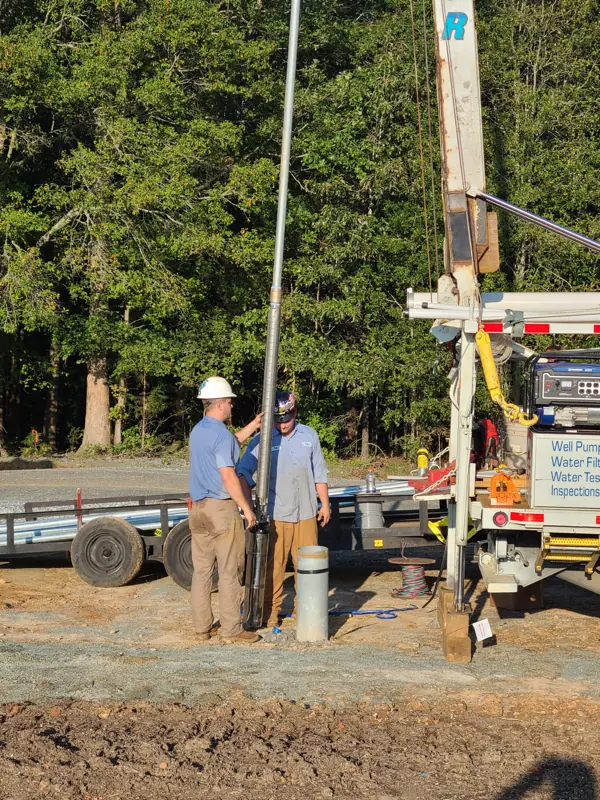
A failing well pump usually shows warning signs like low pressure, strange noises, inconsistent water flow, and rising energy costs. Recognizing these failing well pump signs early helps prevent system breakdown and allows time for proper well pump replacement before water supply is interrupted.
Most pumps do not fail without warning. The system typically shows gradual performance changes that signal internal wear or damage.
What Are Early Warning Signs of a Failing Well Pump?
Early warning signs often appear as small performance issues that worsen over time. These changes should not be ignored.
Common Early Symptoms
Watch for:
- Low or weak water pressure
- Air sputtering from faucets
- Cloudy or dirty water
- Pump running longer than normal
- Short cycling, or frequent on and off
- Inconsistent water flow
- Delayed water delivery
These are the most common failing well pump signs homeowners notice first.
What These Signs Usually Mean
Each symptom points to a possible issue:
- Low pressure may indicate worn pump components
- Air in lines may signal low water levels or leaks
- Cloudy water may suggest pump disturbance or sediment
- Constant running may indicate reduced pump efficiency
These issues often develop gradually.
Why Early Detection Matters
Ignoring early signs increases stress on the system. The pump may overwork, leading to faster failure.
Addressing issues early may extend pump life or prevent emergency replacement.
How Do I Know If My Well Pump Needs Replacement?
A well pump needs replacement when it can no longer maintain consistent pressure or deliver reliable water flow, even after repairs.
Signs Replacement Is Necessary
You may need well pump replacement if:
- The pump fails to maintain pressure
- Repairs are frequent or temporary
- Water supply stops unexpectedly
- Pump runs continuously without reaching pressure
- System performance declines despite maintenance
These indicators show the pump is no longer operating efficiently.
Repair vs Replacement Decision
Some issues can be repaired, such as:
- Pressure switch problems
- Minor electrical issues
- Small leaks
However, internal pump damage or age-related wear often requires full replacement.
Why Professional Diagnosis Is Important
A proper inspection determines whether repair is still viable. Replacing a pump too late can result in complete water loss.
Timely well pump replacement in Charlotte, NC helps avoid system downtime and protects other components.
Why Is My Pump Making Strange Noises?
Unusual noises are a strong indicator of mechanical or electrical issues within the pump system. Pumps should operate quietly under normal conditions.
Common Pump Noises
Listen for:
- Grinding or scraping sounds
- Clicking or rapid cycling noises
- Humming without water flow
- Vibrations or rattling
These sounds often indicate internal wear or component failure.
What Causes These Noises
Noise may result from:
- Worn bearings
- Damaged impellers
- Loose components
- Electrical faults
- Air entering the system
Each issue affects pump performance.
Why Noise Should Not Be Ignored
Noise is one of the clearest failing well pump signs. It usually means parts are wearing down or failing.
Continued operation can worsen damage and lead to sudden failure.
Does Fluctuating Pressure Mean Pump Failure?
Fluctuating water pressure often signals a problem with the pump, pressure tank, or system balance. It is not always pump failure, but it should be investigated.
Signs of Pressure Fluctuation
You may notice:
- Pressure rising and falling during use
- Sudden drops when multiple fixtures run
- Water pulsing from faucets
- Inconsistent flow
These symptoms indicate instability.
Possible Causes
Fluctuating pressure may result from:
- Pump wear
- Pressure tank issues
- Faulty pressure switch
- Leaks in the system
- Sediment buildup
The pump is often involved, but not always the only issue.
Why Consistent Pressure Matters
Stable pressure ensures reliable water delivery and reduces system strain.
If pressure continues to fluctuate, a full system check is needed to confirm whether well pump replacement is required.
How Long Do Well Pumps Typically Last?
Most well pumps last between 8 and 15 years, depending on usage, water quality, and maintenance.
Factors That Affect Lifespan
Pump longevity depends on:
- Water demand
- Sediment levels
- Pump type and quality
- Installation accuracy
- Maintenance frequency
- Electrical stability
Higher demand and poor water quality reduce lifespan.
Signs Your Pump Is Reaching the End of Its Life
Older pumps may show:
- Reduced efficiency
- Frequent cycling
- Increased repair needs
- Declining pressure
- Noise during operation
These are common failing well pump signs in aging systems.
Planning for Replacement
If your pump is approaching the upper end of its lifespan, planning ahead is recommended.
Scheduling well pump replacement in Charlotte, NC before failure reduces the risk of unexpected water loss.
Can High Electric Bills Indicate Pump Problems?
Yes, rising electric bills can indicate pump inefficiency or failure. A struggling pump uses more energy to maintain pressure.
How Pump Issues Increase Energy Use
When a pump begins to fail, it may:
- Run longer than necessary
- Cycle more frequently
- Struggle to reach pressure levels
This increases power consumption.
Signs Energy Use Is Pump-Related
Look for:
- Higher utility bills without increased usage
- Pump running continuously
- Frequent cycling
- Reduced water performance
These patterns often point to inefficiency.
Why Energy Spikes Matter
Increased energy use is often overlooked as a warning sign. It is one of the less obvious failing well pump signs.
Addressing the issue early can reduce costs and prevent system failure.
What to Do Before Your Pump Fails Completely
The key takeaway is simple: well pumps show warning signs before failure. Low pressure, noise, fluctuating performance, and rising energy costs all indicate a problem.
Recognizing these failing well pump signs early allows time for proper diagnosis and planning.
Basic checks, such as monitoring pressure and listening for unusual sounds, can help identify issues. However, internal pump problems require professional evaluation.
Ignoring these signs can lead to:
- Complete water loss
- Emergency repairs
- Higher replacement costs
- Damage to system components
Timely well pump replacement prevents unexpected downtime and protects the entire system.
At Well Doctor LLC, we help homeowners identify pump issues before failure occurs. If you need reliable well pump replacement in Charlotte, NC, we can inspect your system, confirm the problem, and provide the right solution to restore consistent water flow.