

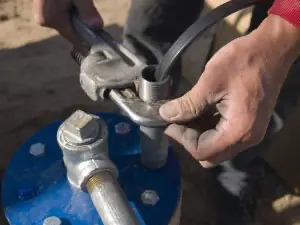
Winter puts pressure on everything your home relies on, including your well system. When temperatures drop and the ground freezes, small issues that stayed hidden all year have a way of showing up fast.
Low water pressure, strange noises, or no water at all tend to happen at the worst possible time, often during the coldest stretch of the season. While winter may not seem like the ideal time to deal with well repairs, it’s often when decisions matter most.
Understanding why winter stresses well systems can help homeowners act sooner and avoid bigger problems.
Why does cold weather increase the need for well repair services?
Cold weather creates conditions that push well systems harder than usual. Water demand often rises in winter, while system components become more vulnerable.
Several factors drive the increase in winter well repairs:
- Higher indoor water use for cooking, cleaning, and heating systems
- Frozen or partially frozen pipes restricting flow
- Cold-sensitive pump components working under strain
- Pressure tank issues caused by temperature changes
- Electrical components affected by moisture and cold
- Reduced system flexibility as materials contract
When water is used more frequently and systems are running longer, weak points reveal themselves. A pump that barely made it through fall may fail once winter hits.
Homeowners often assume well problems are random, but many winter failures are the result of stress meeting age or wear. That’s why demand for well repair services spikes during colder months. The system isn’t just working, it’s being tested.
How does frozen ground affect residential well systems?
Frozen ground changes how everything underground behaves, including your well system. Once the soil freezes, it becomes less forgiving.
Frozen ground can cause:
- Restricted water lines leading to reduced flow
- Increased pressure on buried pipes
- Cracks or leaks from expanding ice
- Difficulty accessing components for emergency repairs
- Slower response times if issues are ignored
Water lines that aren’t buried deep enough or properly insulated are especially vulnerable. Even partial freezing can reduce pressure and cause pumps to work harder to compensate.
Frozen soil also limits how quickly repairs can be made. What might be a simple fix in warmer months can become more complex when the ground is solid. That’s why addressing warning signs early is so important.
Winter doesn’t just cause problems. It makes them harder to fix if they’re allowed to escalate.
Are well pump failures more common during winter months
Yes, well pump failures are more common in winter, and there’s a reason for it. Pumps don’t usually fail suddenly. They wear down over time and winter finishes the job.
Winter-related pump stress includes:
- Longer run times due to increased demand
- Cold-induced motor strain
- Electrical issues from moisture or freezing
- Pressure fluctuations from frozen lines
- Older pumps reaching their limits
When a pump runs longer and harder, internal components heat up, cool down, and repeat that cycle more often. That expansion and contraction accelerates wear.
A failing pump may show subtle signs first, like inconsistent pressure or longer recovery times. In winter, those signs can quickly turn into a complete failure, often when water is needed most.
That’s why winter is a critical time to pay attention. Pumps that might last another season in summer often don’t survive winter without intervention.
What risks do homeowners face by delaying well repairs in winter?
Delaying well repairs in winter can turn a manageable issue into a full-blown emergency. The risks go beyond inconvenience.
Homeowners who wait may face:
- Complete loss of water supply
- Frozen pipes leading to burst lines
- Water damage inside the home
- Higher repair costs due to emergency service
- Extended downtime without water
- Health and sanitation concerns
Without running water, daily life stops quickly. Cooking, cleaning, bathing, and heating systems may all be affected. Temporary solutions are often expensive and stressful.
There’s also the risk of compounding damage. A struggling pump can overheat. A small leak can freeze and crack pipes. What could have been a scheduled repair becomes a winter emergency.
Acting early protects not just your well system, but your home and your peace of mind. Winter rewards preparation and punishes delay.
Don’t Let Winter Decide for You
At Well Doctor LLC, we know winter well problems rarely happen at a convenient time. That’s why we help homeowners make smart, proactive decisions before small issues become emergencies.
We’ve seen how cold ground and high demand push systems to their limits, and we’re here to help you stay ahead of it. Our team understands winter well systems and knows how to repair them safely and efficiently.
If your water pressure feels off or your system is showing warning signs, let us take a look before winter makes the decision for you.