Buying a home with a private well comes with questions you might not face when purchasing a property connected to municipal water. The taps may work during your home tour, but that doesn’t tell you everything about the well’s condition, its ability to supply water, or the quality of the water itself.
If you’re reviewing well inspection report findings in Concord, NC, focus on whether the report identifies equipment defects, water pressure or flow concerns, possible contamination pathways, or items that need further testing. Ask which findings require repairs, specialist evaluation, or documentation before closing. A well inspection does not automatically include laboratory water testing or satisfy every lender requirement.
At Well Doctor LLC, we help homeowners and property buyers in Concord and surrounding North Carolina communities better understand their private well systems. We know that receiving an inspection report during a real estate transaction can raise questions, especially when you’re working toward a closing date.
Here’s how to read the report, prioritize follow-up questions, and coordinate the next steps before taking ownership of a home with a private well.
Read the Scope Before the Findings
Before deciding whether an inspection result is concerning, check exactly what the inspector was hired to evaluate.
Not every well inspection includes the same services.
One inspection may focus on accessible equipment and operating conditions. Another may include pump performance testing, water sampling, or additional investigation.
What Should a Well Inspection Report Contain?
Depending on the agreed scope, a report may describe:
- Visible condition of the wellhead, cap, and casing
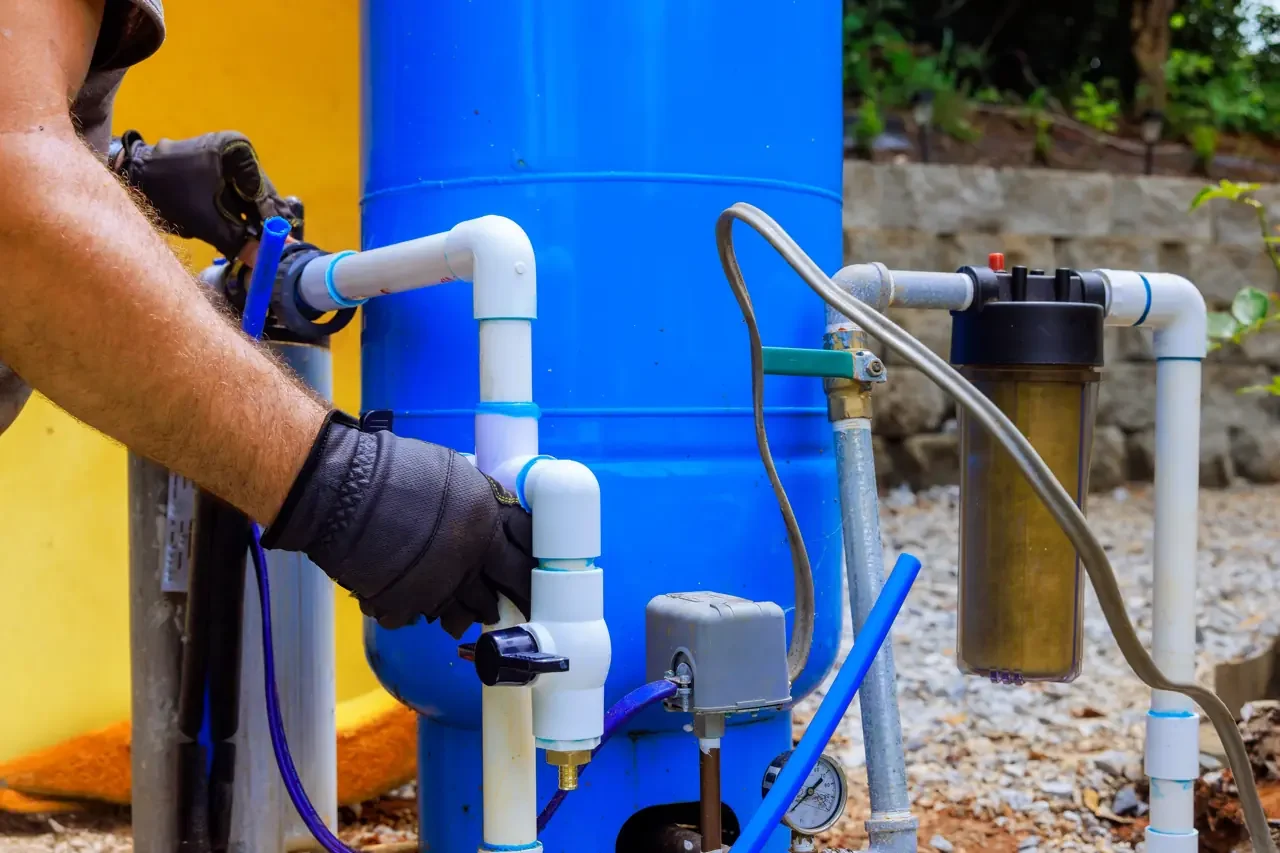
- Accessible pumping equipment
- Pressure tank and pressure control operation
- Water pressure and flow measurements
- Observed leaks or damaged components
- Electrical or mechanical concerns
- Available well construction information
- Water sampling and laboratory results, if included
- Recommendations for repairs or further evaluation
The National Ground Water Association recommends professional well assessments that include system performance, sanitary condition, water quality, and written findings.
However, that recommendation doesn’t mean every contractor’s standard inspection package automatically includes every component.
Ask what was actually tested and what was excluded.
Understand the Difference Between an Inspection and Water Testing
A physical inspection evaluates the well system’s condition and performance within the contracted scope.
Laboratory testing evaluates specific characteristics or contaminants in a water sample.
These services provide different information.
For example, a technician may observe that a well cap is damaged without knowing whether bacteria are present.
Likewise, a satisfactory bacterial test does not prove that the well pump, pressure tank, or casing is in good condition.
Well Doctor offers well inspection and water testing services, but buyers should confirm which tests and assessments are included in their individual booking.
Our well inspection services page provides additional information about the available service options.
Look for Limitations in the Report
A report may state that certain components were inaccessible or that specific measurements weren’t performed.
Don’t interpret an untested component as one that passed inspection.
If the report doesn’t document flow testing, for example, you may still need information about how the well performs under household demand.
Likewise, if no laboratory report is attached, don’t assume the drinking water has been tested.
These gaps help you identify which questions to ask before closing.
Separate Observations From Confirmed Defects
Not every comment in an inspection report means that a component must immediately be replaced.
Reports may contain observations, confirmed malfunctions, maintenance recommendations, and conditions requiring additional investigation.
Understanding the difference can prevent unnecessary repairs while ensuring important concerns aren’t overlooked.
What Is an Observation?
An observation describes something the inspector noticed.
For example, the report might document visible corrosion on an accessible fitting or an older pressure tank.
That information may be useful, but age or surface appearance alone doesn’t always prove a component has failed.
Ask whether the observation affects operation, creates a safety concern, or requires additional testing.
A professional should explain what evidence supports the recommendation.
What Is a Confirmed Defect?
A confirmed defect is a condition supported by the inspection findings.
For example, a technician may identify an active leak, a malfunctioning pressure switch, or a pressure tank that isn’t operating as intended.
The report should ideally explain what was observed or measured and what repair is recommended.
If a finding involves an electrical component, pump controls, or pressurized equipment, repairs should be handled by qualified professionals.
Avoid asking a seller or general handyman to make unverified adjustments simply to clear an inspection concern.
Which Findings Deserve Particular Attention?
Some findings may have implications beyond routine maintenance.
A damaged well cap or casing could create a contamination pathway.
A malfunctioning pump could affect the home’s water supply.
Significant leaks, damaged wiring, or abnormal system cycling may require repair.
Positive laboratory results for certain contaminants also call for appropriate follow-up.
The urgency depends on the actual condition and findings, not a generic list of inspection defects.
If the report identifies a possible drinking-water safety issue, contact the appropriate well professional, laboratory, or local health department before assuming the water is safe.
Follow Up on Performance Concerns
Water pressure and flow problems can be particularly important for homebuyers.
A faucet may work during a brief inspection, yet the system could struggle when several fixtures run simultaneously.
A well evaluation should consider whether the tested performance is appropriate for the intended household demand.
What If the Report Shows Low Water Pressure?
Low pressure doesn’t automatically mean the well needs replacing.
Possible causes include pump performance problems, pressure tank issues, restricted plumbing, or other equipment conditions.
Ask whether the inspector measured pressure while water was running and whether the result points to a specific component.
A technician may recommend additional diagnosis before identifying the appropriate repair.
What If the Well Produces Limited Flow?
Flow rate describes how much water the system can deliver over time.
A well may produce enough water for light use but struggle during higher household demand.
However, measured household delivery and the well’s sustainable yield aren’t necessarily the same.
A pump or plumbing restriction can limit flow even when groundwater production is adequate.
Conversely, a high-capacity pump cannot create additional groundwater if the well’s available supply is insufficient.
If the report raises concerns about flow, ask whether further testing is needed to distinguish pump delivery from well yield.
What Does Frequent Pump Cycling Mean?
A well pump that repeatedly starts and stops may have a pressure tank, control, leak, or other system problem.
Frequent cycling can place additional demands on equipment, depending on the cause and operating conditions.
If the inspection notes abnormal cycling, ask what measurements or observations support that finding.
A repair proposal should address the actual cause rather than assume that the entire pump must be replaced.
What About Older Equipment?
An older pump or pressure tank isn’t automatically defective.
Some equipment continues operating reliably for years, while newer equipment can develop problems.
Age can help buyers plan future maintenance, but condition and performance matter more than a general lifespan estimate.
If the equipment is aging but functioning properly, ask whether the recommendation is preventive maintenance, monitoring, or an immediate repair.
That distinction can be useful during closing discussions.
Request Repair Documentation and Test Results
When inspection findings lead to repairs, buyers should understand what was completed and how the results were verified.
A receipt alone may establish that someone performed work, but it might not show that the original problem was resolved.
What Should Repair Documentation Include?
Depending on the work, useful records may identify:
- The original reported problem
- The contractor who performed the service
- The date of repair
- Equipment or components replaced
- Relevant model or specification information
- Any required permits or approvals
- Testing performed after the repair
- Applicable warranty documentation
- Any remaining recommendations
For example, if a pressure tank was replaced because of abnormal cycling, ask whether the system’s operation was checked after installation.
If a damaged well cap was replaced, ask whether additional water testing is appropriate based on the circumstances.
These records help the buyer understand what changed.
Does a Well Inspection Include a Water Test?
Not automatically.
The answer depends on the booked service and the requirements of the transaction.
Well Doctor’s Concord service page describes water testing options, including testing for certain chemical and bacterial concerns.
However, buyers should confirm the current test package, sample collection procedures, laboratory, and turnaround expectations before scheduling.
For a real estate purchase, ask the lender or closing team exactly which water tests, forms, and reports are required.
An informal water-quality reading isn’t necessarily equivalent to a certified laboratory report.
What If Laboratory Testing Finds Contamination?
A result showing a health-related contaminant requires follow-up based on the substance detected and its concentration.
Bacterial contamination may require investigation, corrective work, treatment, and confirmatory sampling.
Chemical contaminants may require different evaluation and treatment.
Don’t assume that shock chlorination resolves every type of water-quality problem.
If water is confirmed or suspected to be unsafe, follow the laboratory and local health department’s instructions about drinking and household use.
Retesting should follow the applicable laboratory and public health protocols.
Should Repairs Be Verified Before Closing?
When a finding is important to the property’s water supply, drinking-water safety, or the lender’s requirements, buyers should discuss appropriate verification before closing.
That may involve a focused equipment reinspection, a functional test, or new laboratory results.
The type of verification should match the original finding.
For example, a pump repair may require performance testing, while a bacterial contamination concern may require an appropriately timed follow-up water sample.
Your real estate agent, lender, and closing attorney can help clarify which documentation must be available under the transaction’s terms.
Discuss Timing With the Transaction Team
Well findings can affect a real estate transaction because repairs, laboratory testing, and follow-up visits require coordination.
The earlier you understand the outstanding items, the easier it is to communicate with everyone involved.
Share the Findings Early
If your inspection identifies an unresolved issue, notify the appropriate members of your transaction team promptly.
Depending on the purchase agreement, that may include your real estate agent, attorney, lender, and seller.
You may need to discuss whether the issue requires repair, additional testing, a contractual agreement, or a different resolution.
Well Doctor can evaluate well-related concerns within the scope of its services, but the company doesn’t determine whether a property is legally cleared to close.
Those decisions depend on the agreement, lender requirements, and other applicable procedures.
Don’t Assume Every Mortgage Has the Same Requirements
Water testing and inspection requirements can differ by financing program, lender, and individual property circumstances.
Some transactions may require specific laboratory tests or documentation before loan approval.
Others may have different conditions.
A general well inspection doesn’t automatically establish compliance with every FHA, VA, conventional, or other loan requirement.
Before booking, ask your lender which tests and forms it will accept.
Then confirm that the well service provider and laboratory can deliver the required documentation.
Allow for Testing and Possible Repairs
Well Doctor recommends arranging well-related inspections and tests early during real estate transactions because results, corrective work, and retesting can take time.
For buyers in Concord, this means discussing the well early in the due-diligence process rather than waiting until the final days before closing.
There’s no single timeline that works for every property.
A straightforward inspection may require different coordination from a transaction involving pump replacement or follow-up bacterial testing.
Don’t rely on an assumed turnaround time without confirming the actual service schedule and laboratory requirements.
Know Who Will Request Additional Work
Before asking for a repair or reinspection, clarify who is responsible for authorizing access and work at the property.
During a real estate transaction, the buyer may not yet own the well.
Additional inspection or repairs generally need to be coordinated with the property owner and other involved parties.
Cabarrus Health Alliance also has specific procedures for requesting wellhead inspections and drinking-water sampling, including eligibility requirements for certain services.
Your transaction team can help determine how to arrange access and obtain necessary authorizations.
Arrange a Focused Reinspection
If the original report identifies a specific problem, a focused reinspection may be useful after corrective work.
The goal isn’t necessarily to repeat every test from the initial appointment.
It’s to verify that the outstanding condition has been adequately addressed.
Match the Reinspection to the Finding
Different problems require different forms of confirmation.
For example:
Pump performance concern: The technician may need to evaluate system operation and relevant pressure or flow measurements.
Damaged wellhead component: A visual and technical assessment may be needed to confirm appropriate repair.
Pressure tank problem: The system’s operation and cycling behavior may need verification.
Bacterial contamination: A certified laboratory test, collected according to the applicable protocol, may be required after corrective measures.
Inadequate documentation: The buyer may need a complete report or missing records rather than additional physical repairs.
Ask the professional what would demonstrate that the original concern has been resolved.
Keep the Final Records Together
Before closing, organize your inspection report, laboratory results, repair invoices, and relevant follow-up documentation.
Keep copies of any well construction records, pump information, and treatment equipment instructions provided during the transaction.
These documents can also help with maintenance after you move in.
If a new issue develops, a well technician may be able to use those records to better understand the system’s history.
Schedule Well Maintenance After Purchase
A completed sale isn’t the end of well ownership responsibilities.
Private well owners are responsible for arranging appropriate system maintenance and water testing.
The National Ground Water Association recommends an annual professional well checkup.
North Carolina health guidance also recommends periodic water testing and additional testing after certain repairs or flooding events.
If you’re purchasing a property with a private well, make maintenance part of your homeownership plan.
Frequently Asked Questions About Well Inspection Reports in Concord
What Should a Well Inspection Report Contain?
Depending on the agreed scope, it may document visible wellhead conditions, pump and pressure equipment, operating measurements, defects, and recommended follow-up work. Water testing results may be attached when laboratory testing is part of the service. Always review the report’s limitations and any areas that were not assessed.
Which Well Findings Need Further Testing?
Concerns involving water contamination, inadequate flow, abnormal pressure, suspected leaks, or unresolved equipment problems may require additional evaluation. The appropriate test depends on the finding. A well professional or certified laboratory can explain what information is needed.
Does a Well Inspection Include a Water Test?
Not necessarily. Physical well inspections and laboratory water testing are different services, even when a company offers both. Before booking, confirm whether water sampling is included and whether the results meet your lender’s requirements.
Should Repairs Be Verified Before Closing?
Important repairs should generally be documented, and appropriate verification may be needed depending on the defect and the transaction requirements. A functioning pump and a satisfactory bacterial test require different forms of confirmation. Ask your lender and transaction team which documents must be provided before closing.
Does a Well Inspection Report Guarantee the Water Is Safe?
No. An inspection report only supports conclusions within the tests and observations actually performed. A physical inspection cannot establish the absence of contaminants that were never tested. Water safety decisions should rely on relevant laboratory results and appropriate professional guidance.
Can Well Inspection Findings Delay a Home Closing?
They can, especially when outstanding repairs, laboratory results, or lender requirements must be resolved. Whether closing is affected depends on the purchase agreement, financing requirements, and the specific findings. Communicate with your real estate and closing professionals early rather than assuming the well contractor controls closing approval.
Buying a Home With a Well in Concord, NC? Contact Well Doctor LLC
A well inspection report should help you understand the condition of the property’s water system and identify questions that still need answers.
Whether you’re reviewing low-pressure findings, pump concerns, wellhead damage, or water testing results, the goal is to know what requires attention before the transaction moves forward.
At Well Doctor LLC, we help homeowners and property buyers understand private well conditions and discuss appropriate repair, inspection, and testing options.
We serve Concord, NC, and surrounding communities, with individual service availability confirmed directly.
If you’re buying a property with a well, don’t assume that running water or a completed inspection automatically means every concern has been resolved.
Visit our well inspection services page to learn more about our inspection and testing options.
You can also read our guide to how well inspections can reveal hidden property issues or explore our Concord well services.
Contact Well Doctor LLC to discuss your inspection findings, outstanding questions, and whether a focused assessment or follow-up service is appropriate before closing.
Let’s make sure you’re making your home purchase decisions with clear information about the well system not assumptions about what an inspection report proves.