

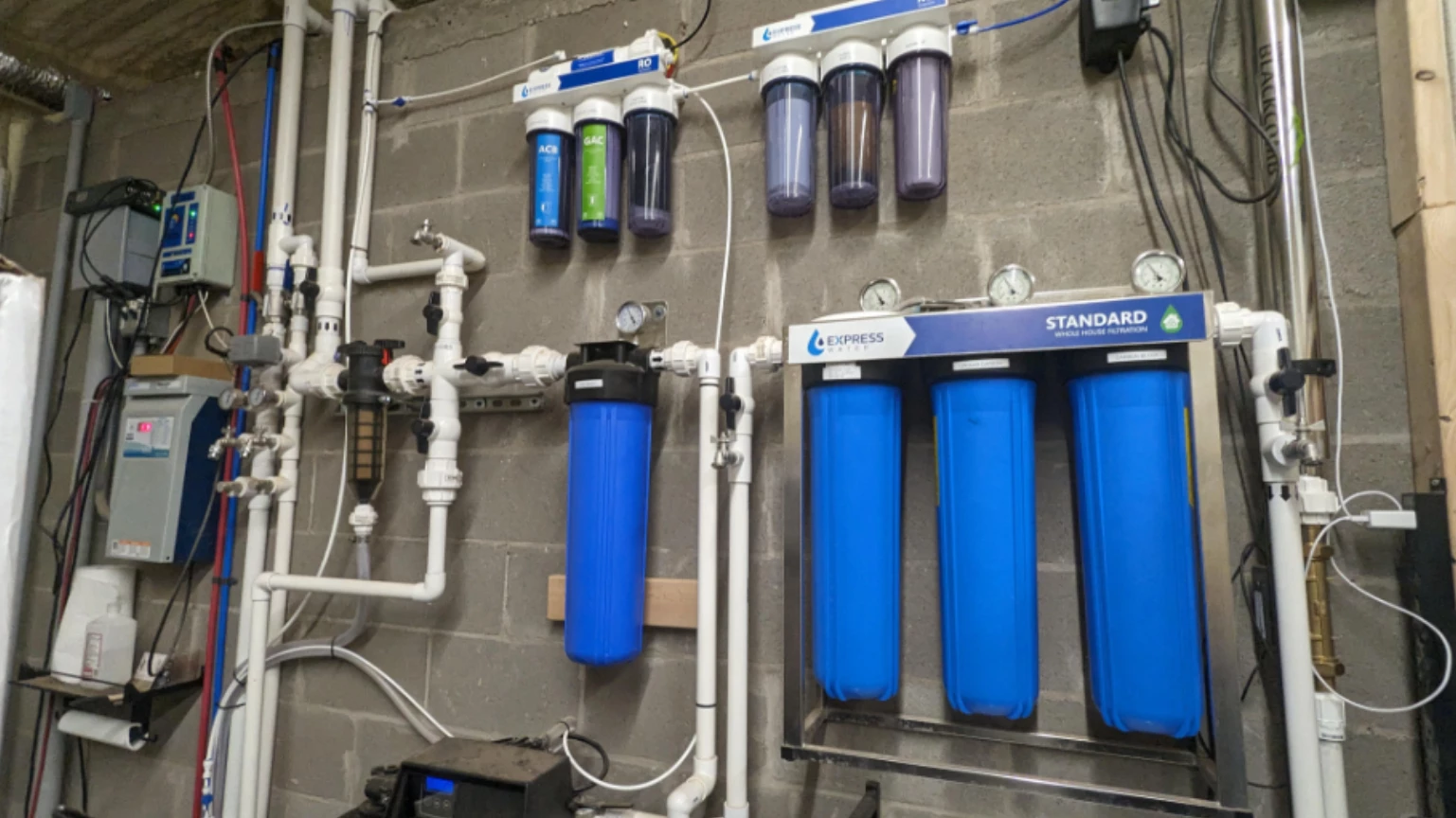
Ignoring a failing well can turn a manageable well system repair into a pump replacement, pressure-tank failure, contaminated water supply, or loss of water throughout the home. Delayed service also raises well system maintenance costs when damaged components force other parts to work harder.
Low pressure, noises, short cycling, sediment, odors, and rising electric bills deserve prompt investigation. These symptoms do not always mean the well itself has failed, but they can signal pump, tank, wiring, pipe, or water-quality problems. Early diagnosis protects equipment, drinking water, and household finances today.
What Happens If Well Problems Are Left Untreated?
Untreated well problems usually become more disruptive and expensive. A minor pressure-switch fault can progress into repeated pump cycling. A small leak can lower pressure, waste water, and force the pump to run longer than intended.
Ignoring changes can also leave a household without water unexpectedly. Once a pump stops, homeowners may need emergency no-water service and replacement parts without time to compare options.
Small Symptoms Can Point to Larger Failures
Warning signs include:
- Falling or inconsistent pressure
- Air sputtering from faucets
- Frequent pump cycling
- A pump that runs continuously
- New sediment, color, taste, or odor
- Unusual noises near the tank or well
- Higher electrical use
- Water around equipment
A contractor should test the pump, tank, controls, wiring, piping, and well recovery before recommending major work.
Delaying diagnosis can worsen wear, leaks, electrical problems, or contamination and make the original cause harder to identify.
Can a Failing Well Pump Damage Other System Components?
Yes. A struggling pump can place extra stress on electrical controls, wiring, pressure switches, and the pressure tank. The reverse is also true. A failed tank or control can damage an otherwise serviceable pump.
Short cycling is a common example. When the pressure tank cannot store the correct amount of water, the pump may start and stop repeatedly. Each start creates electrical and mechanical stress.
System Parts Must Work Together
A continuously running pump may overheat, waste electricity, and wear prematurely. Causes include leaks, low yield, damaged valves, incorrect settings, or inadequate capacity.
Low voltage, damaged cable, loose connections, or a failing control box can also shorten motor life. These types of electrical problems should be diagnosed before they cause additional equipment damage.
Replacing only the pump will not solve underlying conditions. Diagnosis should identify the cause and related repairs, protecting new equipment from another failure.
Repair may be economical when the motor is healthy and an external component fails. Replacement may be wiser when deep-pump removal represents much of the bill. Balance cost against remaining life, future labor, warranty coverage, and outage risk.
How Expensive Are Major Well Repairs?
Major repair costs vary widely because wells differ in depth, access, pump type, piping, electrical equipment, and water conditions. Many ordinary pump repairs cost several hundred dollars, while full pump replacement commonly reaches the low thousands.
Current 2026 estimates place many pump repairs around $150 to $600. Replacements often begin near $1,500 and rise for deep systems or difficult sites.
The Most Expensive Work Involves Access and Multiple Failures
Costs may rise when the job requires:
- Pulling hundreds of feet of pipe and cable
- Replacing a deep submersible pump
- Repairing damaged casing
- Replacing pressure equipment and controls
- Excavating buried lines
- Correcting contamination pathways
- Drilling or rehabilitating a well
- Restoring landscaping or structures
A written estimate should separate diagnosis, labor, equipment, testing, and upgrades.
National ranges are planning references. For well system repair in Mt. Pleasant, NC, access, depth, and required components determine actual pricing.
Can Low Water Pressure Indicate a Serious Problem?
Low pressure can indicate a serious problem, but it can also come from a clogged filter, incorrect pressure setting, or minor plumbing restriction. The pattern and timing help narrow the cause.
Whole-house pressure loss may involve the pump, tank, well yield, controls, or supply line. One affected fixture suggests a local issue.
Do Not Assume the Pump Needs Replacement
Possible causes include:
- A waterlogged pressure tank
- A failing pressure switch
- A worn or undersized pump
- A leaking drop pipe
- Low groundwater recovery
- Sediment buildup
- Clogged treatment equipment
- Electrical supply problems
- A plumbing leak
A gauge alone cannot identify the cause. The contractor may observe cycling, measure flow, test electrical performance, and evaluate the tank.
Contact a professional promptly when pressure falls suddenly, the pump will not stop, or faucets begin sputtering. These signs may indicate equipment damage, a leak, or declining water availability. Understanding common well water pressure problems can help homeowners recognize when service is needed.
Will Ignoring Well Issues Affect Water Quality?
Yes. Damaged caps, cracked casing, flooding, failed seals, and poor repairs can admit contaminants. Pump or pipe problems may also disturb sediment.
Private wells do not receive the routine treatment and monitoring provided to public water systems. Well owners are responsible for protecting and testing their water.
Changes in Water Deserve Testing
Stop drinking water with unusual color, odor, taste, cloudiness, or particles. Test after flooding, well-opening repairs, or suspected contamination.
Potential concerns include bacteria, nitrates, chemicals, metals, and naturally occurring minerals. EPA notes that private well water can contain harmful pathogens and pollutants, depending on local conditions and contamination sources.
North Carolina counties operate private-well permitting, inspection, and testing programs through local health departments.
A clear-looking sample is not proof that water is safe. Laboratory well water testing is the reliable way to evaluate many contaminants.
How Can Preventative Maintenance Save Money?
Preventative maintenance identifies wear, leaks, pressure, sanitation, and electrical issues before failure while creating useful service records.
Maintenance cannot prevent every repair, but it can reveal problems while options remain.
Practical Maintenance Protects the Entire System
Homeowners should:
- Keep the wellhead visible and accessible
- Direct drainage away from the well
- Protect the cap and casing from damage
- Watch pressure and pump behavior
- Check for leaks around equipment
- Replace treatment filters as directed
- Test water on the recommended schedule
- Keep chemicals away from the well
- Save repair and testing records
CDC advises private-well owners that proper construction and continued maintenance help keep germs and chemicals out of drinking water.
Maintenance is valuable before selling, remodeling, adding equipment, or leaving the property vacant. Planned service is easier to budget than an emergency. Regular well inspections can also help identify developing problems before they result in a full system failure.
What Are the Most Costly Well System Failures?
The costliest failures involve deep equipment, structural damage, contamination, or multiple components. Pump extraction may require specialized lifting and extensive pipe or cable replacement.
Casing damage or a failed well may require rehabilitation or new well drilling. Those projects can cost far more than replacing a switch, tank, or control.
High-Cost Failures Often Begin With Warning Signs
Major expenses can include:
- Deep pump replacement
- Collapsed or damaged casing
- Underground line replacement
- Complete electrical-control failure
- Pressure-tank and pump damage together
- Well rehabilitation
- Contamination cleanup and disinfection
- New well construction
- Temporary bottled-water needs
- Property restoration after excavation
Costs also include losing water for cooking, bathing, cleaning, caregiving, livestock, or business use.
A professional should explain whether the repair restores dependable service or only delays replacement. Comparing expected life, warranty, recurring risk, and total labor helps homeowners choose a financially responsible solution.
Key Takeaways
Ignoring well problems can increase repair costs, damage connected equipment, interrupt household water, and create water-quality concerns. Low pressure, short cycling, continuous operation, unusual noises, sediment, odors, and rising electrical use deserve prompt diagnosis.
Preventative maintenance cannot stop every failure, but it can reveal wear, leaks, sanitation issues, and electrical problems before they become emergencies. Major costs often involve deep pumps, casing damage, contamination, or multiple failed components.
Professional testing helps homeowners address the true cause, compare repair options, and protect long-term system reliability and water safety for years ahead.
Address Small Well Problems Before They Grow
Well Doctor LLC can evaluate pressure changes, pump cycling, unusual water conditions, electrical concerns, and other well-system warning signs.
Schedule an assessment before a minor symptom becomes a complete water outage. Clear testing can identify the failed component, explain repair options, and help you plan costs while protecting the pump, pressure equipment, and household water supply with greater confidence.