

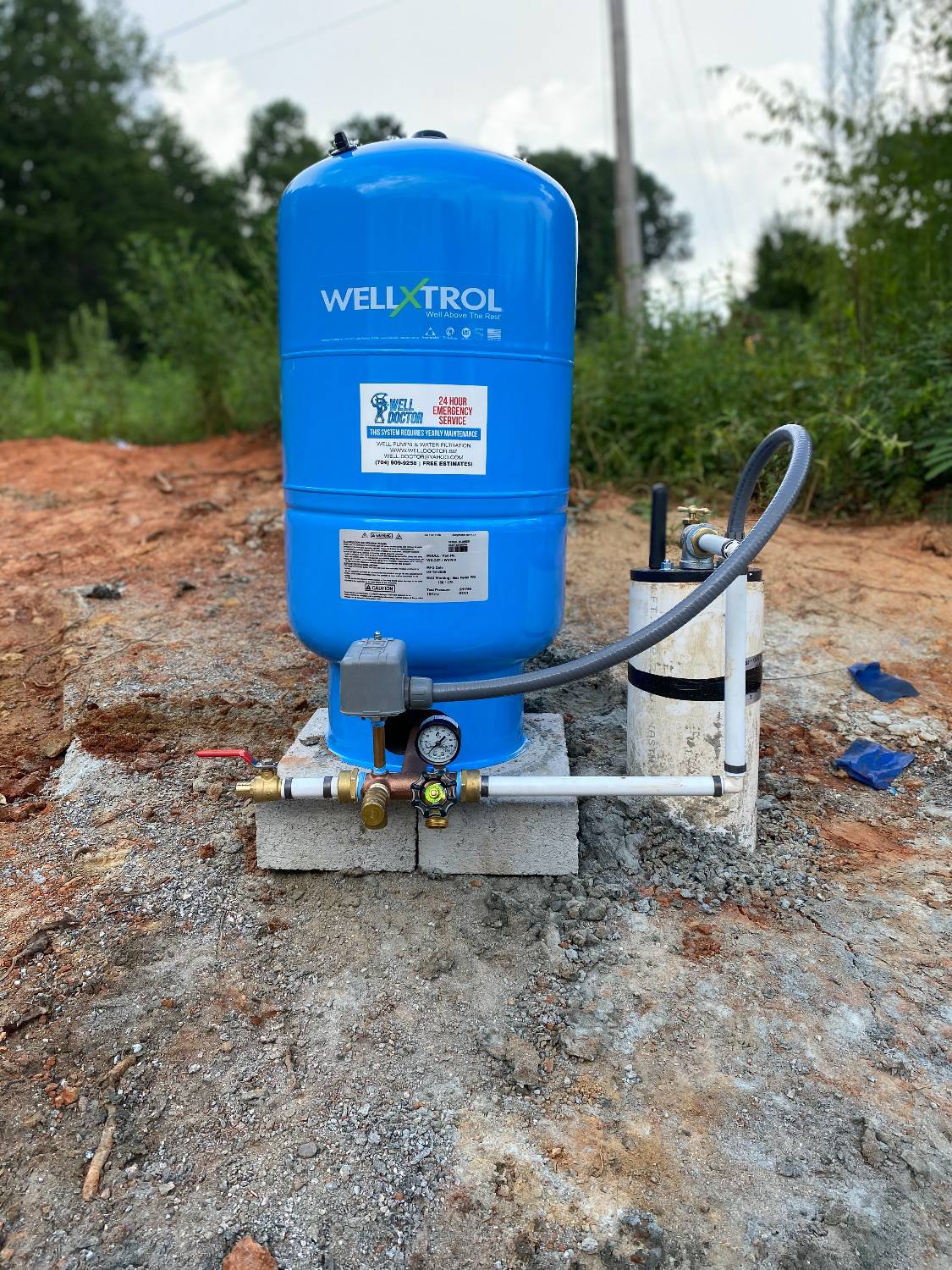
Low water pressure in well systems is usually caused by pump issues, pressure tank problems, sediment buildup, clogged pipes, or changes in water supply. Identifying these low water pressure causes early helps prevent system damage and restores consistent water flow.
Most pressure problems do not fix themselves. A proper inspection and timely well pressure repair in Charlotte, NC can restore performance and prevent long-term issues.
Why is my well water pressure suddenly low?
Sudden drops in well water pressure often point to a system issue that developed quickly. This could involve the pump, pressure switch, tank, or a leak in the system.
Common sudden pressure issues
You may notice:
- Weak water flow from all fixtures
- Pump running longer than usual
- Pressure dropping while water is in use
- Water stopping briefly during use
These signs suggest the system cannot maintain pressure.
Likely causes of sudden drops
Sudden pressure loss is often linked to:
- Pressure switch malfunction
- Pump wear or failure
- Leak in the plumbing system
- Power supply issues
- Pressure tank problems
Each of these affects how water moves through the system.
Why quick diagnosis matters
Ignoring sudden pressure loss can strain the pump. It can also increase energy use and damage system components.
This is why well pressure repair should begin with a full system check. The goal is to find the root cause, not just restore temporary flow.
Can sediment buildup reduce water pressure?
Yes, sediment buildup is one of the most common low water pressure causes in well systems. Over time, minerals, sand, and debris can restrict water flow.
Where sediment builds up
Sediment can collect in:
- Pipes
- Pressure tanks
- Filters
- Fixtures
- Pump components
Even small buildup can reduce water flow.
Signs of sediment-related issues
Watch for:
- Gradual pressure loss
- Grit in water
- Discolored water
- Reduced flow at certain fixtures
- Frequent filter clogging
These symptoms often develop slowly.
Why sediment affects pressure
Sediment narrows the space water flows through. This reduces volume and slows movement.
In severe cases, sediment can damage pumps or block flow completely.
Routine maintenance helps prevent buildup. If sediment is already present, professional cleaning or system flushing may be needed.
Does a failing pump cause low pressure?
Yes, a failing pump is a major cause of low pressure. The pump is responsible for moving water from the well into your home.
How pump failure affects pressure
When a pump begins to fail, it may:
- Struggle to maintain pressure
- Run continuously
- Shut off unexpectedly
- Deliver inconsistent flow
These issues directly reduce system performance.
Common pump problems
Pump-related low water pressure causes include:
- Worn motor components
- Electrical issues
- Impeller damage
- Overheating
- Age-related wear
Pumps do not fail instantly. Performance usually declines over time.
When to consider repair or replacement
If your pump is older or shows repeated issues, it may need replacement. A professional can test output and confirm whether repair is possible.
Prompt well pumps installation, repair, and replacement can prevent complete pump failure and restore consistent pressure.
How does a pressure tank affect water pressure?
The pressure tank stores water and regulates pressure in the system. If the tank fails, pressure becomes unstable or weak.
Role of the pressure tank
The tank helps:
- Maintain steady water pressure
- Reduce pump cycling
- Store water for immediate use
Without a working tank, pressure fluctuates.
Signs of tank problems
Pressure tank issues may cause:
- Rapid pump cycling
- Pressure dropping quickly
- Water pressure surges
- Air sputtering from faucets
These symptoms indicate imbalance in the system.
Common tank issues
Problems often include:
- Waterlogged tank
- Air pressure loss
- Bladder failure
- Faulty pressure switch
Each affects how pressure is maintained.
Why tank maintenance matters
A failing tank forces the pump to work harder. This increases wear and reduces system lifespan.
Fixing tank issues early helps maintain stable pressure and prevents additional damage.
Can clogged pipes lower well water pressure?
Yes, clogged or restricted pipes can reduce water pressure. Over time, mineral buildup and debris can narrow the flow path.
What causes pipe blockages
Clogs may develop from:
- Hard water mineral deposits
- Sediment accumulation
- Corrosion in older pipes
- Debris entering the system
These issues build up gradually.
Signs of clogged pipes
Look for:
- Reduced flow in specific areas
- Pressure differences between fixtures
- Slow water output
- Discolored water
Localized pressure issues often point to pipe restrictions.
Why pipe condition matters
Even if the pump and tank are working, clogged pipes can still limit pressure. The system must be clear for water to move efficiently.
In some cases, flushing or replacing sections of pipe may be needed to restore flow.
Does drought affect well pressure?
Yes, drought conditions can affect well water levels and reduce pressure. Wells depend on groundwater supply, which can drop during dry periods.
How drought impacts wells
Low groundwater levels can:
- Reduce water availability
- Lower pump intake
- Cause intermittent flow
- Increase pump strain
This directly affects pressure and reliability.
Signs of drought-related pressure issues
You may notice:
- Pressure dropping during peak use
- Water supply running out temporarily
- Pump running longer than usual
- Seasonal pressure changes
These patterns often match environmental conditions.
What can be done
If drought is affecting your well, solutions may include:
- Adjusting water usage
- Lowering pump depth
- Installing water storage systems
- Upgrading equipment
A professional evaluation is needed to determine the best option.
For ongoing issues, well pressure repair in Charlotte, NC may involve system adjustments to handle reduced water supply.
What to Do Next for Reliable Water Pressure
Low pressure is usually a symptom of a deeper issue. The most common low water pressure causes include pump problems, sediment buildup, pressure tank failure, clogged pipes, and environmental changes.
Addressing these issues early prevents larger repairs and protects your system.
Basic checks can help identify visible problems, such as clogged filters or obvious leaks. However, diagnosing internal components requires experience and proper tools.
Ignoring pressure issues can lead to:
- Pump damage
- Increased energy costs
- Reduced water quality
- System failure
Professional well inspections ensure the system is working correctly from source to fixture.
At Well Doctor LLC, we handle complete system diagnostics and repairs. If you are dealing with pressure issues or need well pressure repair in Charlotte, NC, we can identify the cause and restore your system to proper performance.