

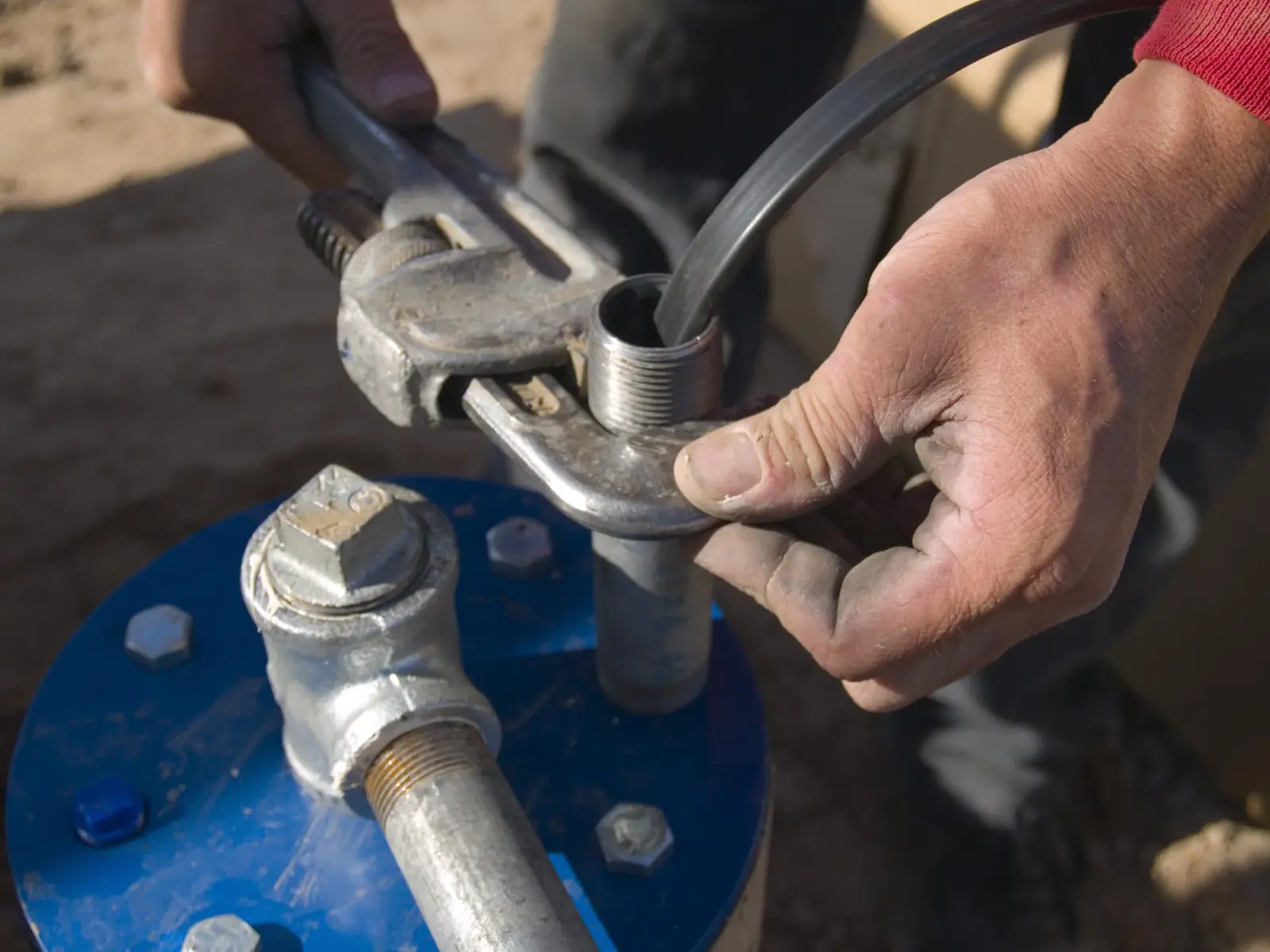
Well pump repair is needed when your home has low pressure, no water, constant pump cycling, air in faucets, or unusual pump sounds.
The most common signs of well pump failure include sudden water loss, weak flow, dirty water, higher electric bills, and a pump that runs too often. A well pump works hard every day to move water from the ground into your home.
When it weakens, small symptoms can quickly become major service problems. Early diagnosis protects your water supply and prevents costly damage for daily household use.
How do I know if my well pump is going bad?
A well pump may be going bad if water pressure changes, faucets sputter, or water stops during normal use. These problems often appear before total pump failure.
Common early warning signs
Watch for inconsistent water pressure, air spurts from faucets, delayed water flow, strange noises, or the pump turning on and off more than usual.
You may also notice cloudy water, sand, sediment, or a sudden increase in electricity usage.
Why symptoms should be checked
A weak pump may still move water, but it may work harder than normal. This extra strain can shorten its remaining life.
Some symptoms may also come from the pressure tank, pressure switch, wiring, or plumbing. A professional inspection helps confirm whether the pump is failing or another component needs repair. Learn more about professional well pump installation, repair, and replacement services.
Early service is usually less costly than waiting until the home has no water.
What happens when a well pump starts to fail?
When a well pump starts to fail, it often loses efficiency. It may take longer to build pressure, run more often, or struggle to maintain steady flow.
How failure develops
Aging motors, worn bearings, damaged impellers, electrical problems, and mineral buildup can all affect pump performance.
The pump may overheat or draw more power as it works harder. Over time, this can lead to complete failure. If you notice overheating symptoms, read water pump overheating causes, signs, and fixes.
Effects inside the home
You may notice weak showers, slow filling appliances, sputtering faucets, or water pressure that rises and falls.
If the pump cannot supply enough water, daily activities become difficult. Laundry, dishwashing, bathing, and irrigation may all be affected.
Prompt diagnosis helps protect the pump, pressure tank, and connected plumbing from additional stress.
Why is my well pump running constantly?
A well pump should not run constantly. It should turn on when pressure drops and shut off when the pressure tank reaches the proper level.
Common causes of constant running
Constant running may come from a failing pressure switch, leaking pipe, waterlogged pressure tank, damaged check valve, low well yield, or worn pump.
A leak in the system can make the pump keep working because pressure never reaches the shutoff point. In some cases, leak repair services may be needed to restore normal operation.
Why this problem matters
A pump that runs constantly can overheat, wear out faster, and increase electric bills. If the well has low water, the pump may run without enough water around it. That can damage the motor.
Do not ignore a pump that will not shut off. It needs testing before it burns out.
Homeowners looking for well pump repair in Mt. Pleasant, NC should schedule service quickly when the pump runs nonstop or cycles rapidly. Visit our Mt. Pleasant service area to learn more.
Can a bad well pump cause low water pressure?
Yes, a bad well pump can cause low water pressure. However, low pressure can also come from other parts of the well system.
Pump related causes
A worn pump may not move enough water to meet household demand. Damaged impellers, weak motors, clogged intake screens, or failing electrical parts can reduce pressure.
If pressure drops throughout the entire home, the well system is more likely involved.
Other possible causes
Low pressure may also result from clogged filters, mineral buildup, plumbing leaks, pressure tank problems, or a faulty pressure switch.
A single weak faucet may be a fixture issue. Whole home pressure loss usually needs professional evaluation. Learn more about the causes of low well water pressure and common solutions.
Testing pressure, flow rate, tank function, and electrical performance helps identify the true source of the problem.
Replacing a pump without confirming the cause may waste money.
What are the signs of a failing submersible well pump?
A submersible well pump sits inside the well, below the water level. Because it is underground, many warning signs appear at the fixtures or pressure tank before the pump can be inspected.
Signs homeowners may notice
Common symptoms include no water, low pressure, cloudy water, air in lines, short cycling, breaker trips, and unusual vibration or humming.
Dirty water may suggest sediment entering the pump or changing well conditions. Breaker trips may indicate motor or wiring problems.
Why submersible pumps need professional service
Submersible pumps are not easy to access. Pulling a pump requires proper tools, training, and safety procedures.
The issue may involve the pump itself, drop pipe, wire, check valve, control box, or well depth.
A technician can test electrical readings and system pressure before deciding whether the pump must be pulled.
Professional testing reduces unnecessary labor and helps prevent further damage.
How long does a typical well pump last?
A typical well pump lasts about 8 to 15 years, though some last longer with good conditions and proper maintenance. Lifespan depends on use, water quality, pump type, installation quality, and system design.
What shortens pump life
Frequent cycling is one of the biggest causes of premature wear. This can happen when the pressure tank is too small, waterlogged, or failing.
Sediment, minerals, low water levels, poor wiring, and improper pump sizing can also reduce life expectancy.
How to extend pump life
Schedule inspections, test pressure tank performance, replace clogged filters, and address pressure changes quickly.
Avoid ignoring short cycling or constant running. These problems create unnecessary strain. Routine preventive maintenance for well pumps can significantly extend system life.
A properly sized pump with a healthy tank usually lasts longer and provides better water performance.
Maintenance cannot prevent every failure, but it can catch problems early.
Should I repair or replace a failing well pump?
The choice depends on the pump age, problem severity, repair cost, and overall system condition. A newer pump with a minor electrical or control issue may be worth repairing.
An older pump with repeated failures may be better replaced.
When repair may make sense
Repair may be practical when the problem involves a pressure switch, control box, wiring connection, check valve, or pressure tank rather than the pump motor itself.
These repairs may restore performance without replacing the pump.
When replacement is better
Replacement may be recommended if the pump is near the end of its lifespan, has motor failure, produces unreliable flow, or has already required frequent service.
A failing pump can leave the home without water unexpectedly.
Before deciding, a professional should test the full system. The goal is not only to restore water today. It is to choose the option that provides reliable service and protects your investment.
Key Takeaways
The most common signs of well pump failure include low pressure, no water, constant running, frequent cycling, sputtering faucets, sediment, unusual sounds, and breaker trips. These symptoms may come from the pump, pressure tank, switch, wiring, plumbing, or well source.
Professional testing is important because replacing parts without diagnosis can waste money and miss the real issue. Timely well pump repair and replacement services help protect water access, reduce equipment strain, and avoid sudden breakdowns.
A reliable well system depends on early attention and regular service before it interrupts essential daily water use.
Keep Your Well Pump Working Reliably
At Well Doctor LLC, we help homeowners understand well pump problems and choose the right repair or replacement option. We inspect the pump system, pressure tank, controls, wiring, and water flow before recommending service.
If your water pressure has dropped, your pump runs too often, or your home has lost water, we are ready to help.
Contact us for trusted well pump repair in Mt. Pleasant, NC and clear guidance that keeps your water system working safely and reliably without unnecessary confusion.