

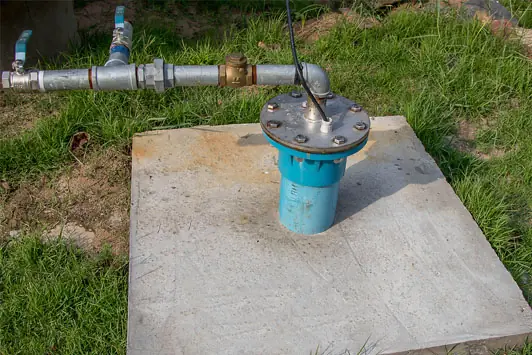
Sudden low water pressure in a well system is often caused by pressure tank problems, clogged filters, failing well pumps, leaks, or electrical component issues.
Identifying the source quickly is important because prolonged pressure loss may increase system strain, reduce water availability, and lead to more extensive well equipment damage.
Many homeowners first notice pressure problems during showers, appliance use, or simultaneous water demand. Understanding the common causes of low pressure helps prevent unnecessary repairs and supports faster diagnosis.
Professional evaluation is often necessary when pressure changes occur suddenly or continue worsening over time.
What Causes Sudden Low Water Pressure in a Well System?
Well water pressure can drop unexpectedly for several mechanical, plumbing, or electrical reasons.
Pressure Switch Problems
The pressure switch controls when the well pump turns on and off. A faulty switch may fail to maintain consistent water pressure throughout the home.
Common signs include:
- Irregular pump cycling
- Delayed water pressure recovery
- Sudden pressure drops
- Pump failing to activate properly
Pressure switch issues often require professional testing and adjustment.
Plumbing Leaks May Reduce Pressure
Leaks inside the plumbing system can lower available water pressure significantly.
Possible leak locations include:
- Underground water lines
- Interior plumbing pipes
- Outdoor hose connections
- Pressure tank fittings
Even small leaks may affect household pressure over time. Professional leak repairs can help identify and address hidden plumbing problems that may be reducing well water pressure.
Sediment Buildup Restricts Water Flow
Mineral deposits and sediment commonly accumulate in:
- Pipes
- Fixtures
- Water softeners
- Filtration systems
This buildup can restrict water movement and contribute to reduced pressure.
Homeowners searching for well water pressure repair in Mt. Pleasant, NC often experience sediment-related pressure loss in aging systems.
Increased Water Demand Affects Pressure
Running multiple fixtures simultaneously may temporarily reduce pressure, especially if the well system struggles to keep up with demand.
This may occur during:
- Laundry cycles
- Irrigation use
- Multiple showers
- High appliance usage
Older well systems may have lower flow capacity compared to modern household needs.
Can a Faulty Pressure Tank Cause Low Water Pressure?
Yes. Pressure tank problems are one of the most common causes of unstable or low well water pressure.
The Pressure Tank Regulates Water Flow
Pressure tanks store pressurized water and help maintain consistent delivery throughout the home.
A malfunctioning tank may cause:
- Weak water flow
- Rapid pump cycling
- Pressure fluctuations
- Inconsistent fixture performance
Proper pressure regulation is essential for system stability. The well water pressure concern page explains how pressure issues can affect everyday water use throughout the home.
Waterlogged Tanks Create Pressure Issues
Pressure tanks contain both air and water compartments. If the air charge becomes unbalanced, the tank may become waterlogged.
This often results in:
- Short cycling
- Reduced pressure consistency
- Increased pump wear
A professional inspection can confirm whether the tank pressure remains properly calibrated.
Bladder Tank Failure Affects Performance
Many modern pressure tanks contain internal rubber bladders.
A damaged bladder may lead to:
- Loss of pressure control
- Air pressure imbalance
- Frequent pump activation
These issues may eventually shorten pump lifespan. Homeowners dealing with these symptoms may benefit from reviewing common well bladder tank troubleshooting issues.
Pressure Gauge Testing Is Important
Technicians commonly test:
- Air pressure levels
- Cut-in and cut-out settings
- Tank integrity
- Pump cycling behavior
Accurate diagnosis helps determine whether the problem involves the tank, pump, or another system component.
Some homeowners describe dramatic pressure loss as “wow well water pressure problems” because the change happens suddenly and noticeably.
How Do I Fix Low Pressure From My Well Pump?
The proper solution depends on the underlying cause of the pressure problem.
Start by Checking Filters and Valves
Simple restrictions may reduce water flow throughout the home.
Inspect:
- Sediment filters
- Water softener systems
- Shutoff valves
- Faucet aerators
Clogged filters commonly create noticeable pressure reduction.
Evaluate Pressure Switch Settings
Incorrect pressure switch settings may affect water delivery.
A technician may adjust:
- Pump activation pressure
- Shutoff pressure
- Electrical contacts
Improper adjustments can damage the system, so professional service is often recommended.
Inspect the Well Pump System
Well pump issues may involve:
- Motor wear
- Electrical failure
- Damaged impellers
- Pressure control malfunction
Pump diagnostics often require specialized equipment and electrical testing. Professional well pumps installation, repair, and replacement services can help determine whether pressure loss is related to the pump or another well system component.
Well Yield Problems May Contribute
Some wells produce water more slowly during:
- Drought conditions
- Seasonal groundwater changes
- Heavy water demand
Low-producing wells may struggle to maintain household pressure consistently.
Professional well water pressure repair in Mt. Pleasant, NC may include evaluating well recovery rates and pump capacity.
Pipe Obstructions May Require Cleaning
Mineral accumulation inside pipes can reduce water flow over time.
Common causes include:
- Iron buildup
- Hard water deposits
- Sediment accumulation
Pipe cleaning or replacement may improve pressure in older systems.
Is Low Water Pressure a Sign My Well Pump Is Failing?
Possibly. Declining pressure sometimes indicates pump wear or reduced pumping efficiency.
Aging Pumps Lose Performance Gradually
Well pumps naturally wear down over time.
Common warning signs include:
- Reduced water pressure
- Longer recovery times
- Inconsistent flow
- Increased electrical usage
Older pumps may struggle to maintain adequate household pressure.
Frequent Cycling Can Damage Pumps
Pumps that turn on and off too frequently experience additional stress.
Short cycling may result from:
- Pressure tank issues
- Pressure switch failure
- Water leaks
Over time, repeated cycling can shorten pump lifespan significantly.
Strange Noises May Indicate Mechanical Problems
Unusual sounds such as:
- Clicking
- Grinding
- Humming
- Vibrating
may signal motor or internal component problems.
Prompt inspection helps prevent complete system failure.
Electrical Problems May Affect Performance
Low voltage, damaged wiring, or failing control boxes can reduce pump efficiency.
Electrical issues sometimes mimic mechanical pump failure, making professional testing important. Electrical-related well concerns should be evaluated carefully because electrical problems may affect pump performance and system reliability.
Homeowners experiencing sudden “wow well water pressure” changes should avoid ignoring persistent symptoms that continue worsening.
Complete Pump Failure May Follow Untreated Issues
If performance declines continue, the pump may eventually stop supplying water altogether.
Early diagnosis often helps reduce repair costs and prevent emergency replacement situations. If the issue progresses into a no-water situation, emergency no-water service may be necessary.
Can Clogged Filters Reduce Well Water Pressure?
Yes. Clogged filters are one of the most common and easily overlooked causes of low water pressure.
Sediment Filters Trap Debris
Well systems commonly use sediment filters to remove:
- Sand
- Silt
- Mineral particles
- Rust
Over time, trapped debris restricts water flow through the system.
Filter Blockage Increases System Strain
Restricted filters force the well pump to work harder to maintain pressure.
This may contribute to:
- Reduced fixture flow
- Pump strain
- Inconsistent pressure
Regular filter replacement helps protect both pressure and equipment longevity.
Water Treatment Systems May Also Clog
Water softeners and filtration systems may develop buildup internally.
Components requiring inspection include:
- Resin tanks
- Carbon filters
- Iron filters
- Sediment cartridges
Maintenance schedules vary depending on water quality and household usage. Professional water filtration system installation may help improve flow and filtration performance when existing equipment is contributing to restrictions.
Pressure Problems May Appear Throughout the House
Filter-related pressure loss often affects:
- Showers
- Faucets
- Appliances
- Outdoor spigots
Whole-house pressure reduction frequently points toward filtration restrictions rather than isolated plumbing problems.
Preventive Maintenance Improves Performance
Routine maintenance may help prevent recurring pressure issues.
This often includes:
- Filter replacement
- Pressure testing
- Tank inspection
- Water quality monitoring
Professional well water pressure repair in Mt. Pleasant, NC may involve identifying whether filtration systems contribute to ongoing pressure loss.
Key Takeaways
Low well water pressure may result from pressure tank failure, clogged filters, pump wear, plumbing leaks, sediment buildup, or electrical problems.
Early diagnosis helps prevent worsening system damage and inconsistent water delivery.
Professional inspection is often necessary when pressure drops suddenly, continues worsening, or affects multiple fixtures throughout the home consistently.
Dependable Well System Support for Consistent Water Pressure
At Well Doctor LLC, we help homeowners diagnose and resolve sudden water pressure problems through detailed well system evaluations and reliable repair solutions. Our team inspects pumps, pressure tanks, filters, plumbing components, and electrical controls to identify the source of pressure loss accurately.
Whether you need routine maintenance or professional well water pressure repair in Mt. Pleasant, NC, we focus on restoring safe, dependable water flow and helping homeowners avoid long-term well system complications through experienced, professional service. To schedule service, contact Well Doctor LLC.