

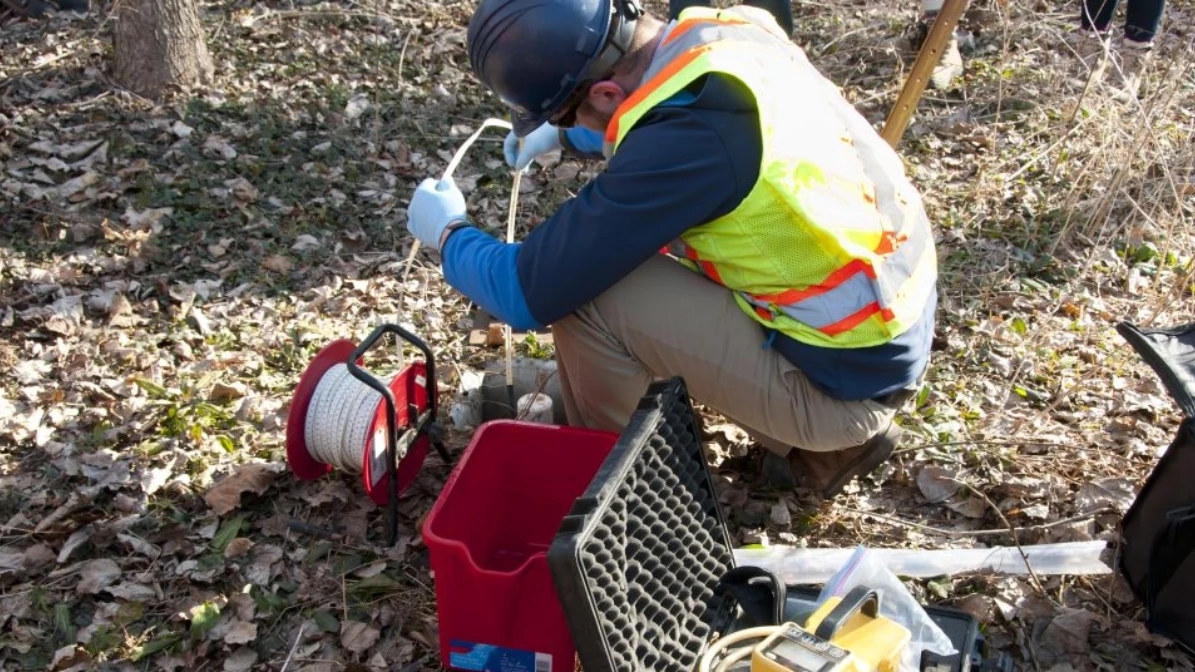
Well inspection services are usually recommended once a year for most private residential wells.
A residential well inspection helps confirm that the pump, pressure tank, controls, water flow, and water quality are working safely and reliably.
Private wells are not maintained by a public utility, so the homeowner is responsible for monitoring performance and safety.
Regular inspections can catch small problems before they lead to pump failure, pressure loss, contamination concerns, or expensive emergency repairs. A routine check gives homeowners clearer answers about system conditions.
How often should a private well be inspected?
Most private wells should be inspected at least once each year. Annual service helps confirm that the well system is operating properly and that water quality remains safe for household use.
Why yearly inspections matter
A well system includes several parts that work together. The pump, pressure tank, pressure switch, wiring, pipes, casing, and water source must all perform correctly.
A small issue with one component can affect the entire system. For example, a weak pressure tank can cause the pump to cycle too often, which shortens pump life.
When more frequent inspections are needed
Some wells need attention more than once per year. Older wells, high use households, properties with water treatment systems, and wells with past repairs may need closer monitoring.
Schedule service sooner if water pressure changes, water turns cloudy, or the pump starts behaving differently.
What is included in a well inspection?
A well inspection checks the visible and testable parts of the system. The goal is to understand performance, safety, and possible repair needs.
System performance checks
A technician may check water pressure, flow rate, pump cycling, pressure tank function, pressure switch operation, and electrical controls.
They may also inspect visible piping, fittings, valves, wiring, well cap, and accessible equipment.
Water and safety review
The inspection may include water quality testing or recommendations for well water testing. The technician may also look for signs of contamination risk around the wellhead, such as damaged caps, poor drainage, or surface water entering the area.
A thorough inspection helps determine whether the issue is mechanical, electrical, plumbing related, or connected to the water source.
For homeowners needing well inspection services in Mt. Pleasant, NC, a complete check provides a useful baseline for future maintenance.
Do I need annual testing for well water quality?
Yes, annual water quality testing is strongly recommended for private wells. Even if the water looks clear, it can still contain bacteria, minerals, or other contaminants.
What should be tested
Common tests include bacteria, nitrates, pH, hardness, iron, manganese, and total dissolved solids. Depending on the property, testing may also include lead, arsenic, sulfur, or other local concerns.
Testing needs vary by area and well history.
When to test sooner
Test your water right away if it changes in taste, smell, color, or clarity. Also test after flooding, nearby construction, septic system problems, major well repairs, or long periods without use.
Water testing is different from equipment inspection, but both are important. One checks safety and quality. The other checks mechanical function.
Together, they give homeowners a fuller picture of well health.
How much does a residential well inspection cost?
The cost of a residential well inspection varies by location, system complexity, testing needs, and whether repairs are included. Many basic inspections may cost a few hundred dollars, while detailed inspections with water testing can cost more.
What affects inspection pricing
Costs may change based on travel, well depth, pump type, accessibility, number of tests, pressure tank condition, and whether specialized equipment is needed.
A real estate inspection may also be more detailed because the buyer needs documentation before closing.
Why inspection cost is worthwhile
A routine inspection is usually much less expensive than emergency pump replacement, water damage, or extensive system repairs.
It can also help homeowners plan future maintenance before a sudden breakdown occurs.
Ask what is included before scheduling. A clear service description should explain whether pressure testing, flow testing, water testing, and written findings are part of the visit.
Can regular inspections prevent expensive well repairs?
Regular inspections can reduce the risk of expensive repairs by identifying problems early. They do not prevent every failure, but they often catch warning signs before the system stops working.
Problems inspections may find early
A professional may identify short cycling, pressure tank issues, switch wear, low flow, corroded fittings, failing controls, sediment, or changes in water quality.
These problems are often easier and less costly to address when found early.
How inspections protect the pump
The pump is one of the most expensive parts of the system. If it runs too often, works against poor pressure, or operates with clogged components, it can wear out faster.
Routine inspections help reduce unnecessary strain.
Preventive service also helps protect appliances, water heaters, filters, and plumbing fixtures that rely on stable water flow.
When should I schedule a well inspection?
Schedule a well inspection annually, even if the system seems normal. Also schedule service whenever performance or water quality changes.
Best times to schedule
Many homeowners choose spring or fall because seasonal changes can reveal water level, drainage, or system performance concerns.
Schedule before heavy water use seasons if your home uses irrigation, fills pools, or supports a large household.
Warning signs that need prompt inspection
Do not wait for your annual visit if you notice low pressure, sputtering faucets, cloudy water, sand, odors, pump noise, frequent cycling, or sudden loss of water.
These are signs that the system needs attention.
A timely inspection can determine whether the issue requires repair, adjustment, water testing, or ongoing monitoring.
Waiting often leads to more stress on the pump and pressure system.
Is a well inspection required before buying a home?
A well inspection may not always be legally required before buying a home, but it is highly recommended. Private wells are the homeowner’s responsibility, and problems can be costly after purchase.
Why buyers should request one
A home inspection may not fully evaluate the well system. A separate well inspection can assess pressure, flow, visible components, and water quality.
This helps buyers understand whether the well can support normal household demand.
What buyers should review
Buyers should ask for well records, repair history, water test results, pump age, well depth, and inspection findings.
If problems are found, buyers may request repairs, credits, or further evaluation before closing.
A professional inspection provides useful information for negotiations and future maintenance planning.
For rural or private well properties, skipping this step can leave major unknowns.
Key Takeaways
Annual well inspection services help homeowners monitor water quality, pressure, pump performance, tank function, controls, and visible well components.
A residential well inspection can identify early signs of wear, contamination risk, pressure problems, and repair needs before they become emergencies.
Water quality should also be tested every year and anytime taste, odor, color, or clarity changes. Inspections are especially important before buying a home with a private well.
Regular checks protect your water supply, reduce repair surprises, and support long term system reliability.
Keep Your Well System Checked and Protected
At Well Doctor LLC, we help homeowners understand the condition of their well system with clear inspections and practical guidance. We check pressure, flow, visible components, pump performance, tank function, and water concerns so you know what needs attention.
If you need dependable well inspection services in Mt. Pleasant, NC, we are here to help you protect your water supply. Schedule an inspection with us to keep your well system safe, reliable, and ready for daily household use year after year properly.