A well maintenance checklist should include water testing, system inspection, pump checks, pressure monitoring, and sanitation steps. These tasks help maintain water quality, prevent system failure, and reduce costly repairs over time.
Most homeowners can handle basic checks, but consistent monitoring and professional well maintenance services are key to keeping the system safe and efficient year-round.
What Should Be Included in a Well Maintenance Checklist?
A complete well maintenance checklist focuses on water quality, system performance, and physical inspection. Each part of the system should be reviewed regularly.
Core Checklist Items
Include these essential steps:
- Test water quality
- Inspect the well cap and seal
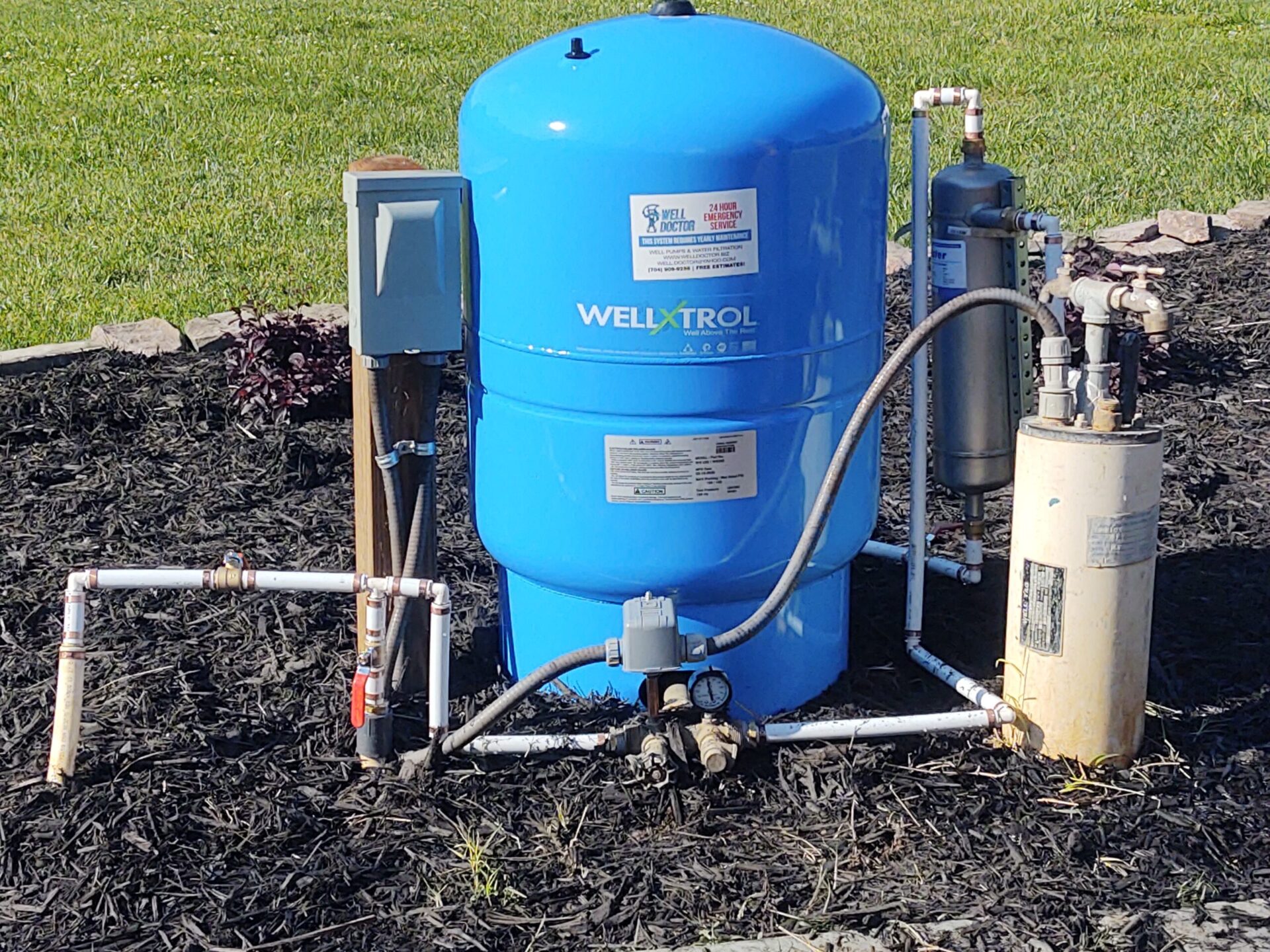
- Check pressure tank performance
- Monitor pump operation
- Look for leaks in pipes and fittings
- Inspect electrical connections
- Verify proper drainage around the well
- Check for unusual noises or vibrations
- Ensure the well cover is secure and sealed
Each step supports overall system health. Missing even one item can allow small problems to grow.
Why Consistency Matters
Well systems do not fail all at once. Issues develop slowly.
Regular checks help identify:
- Contamination risks
- Pressure inconsistencies
- Pump wear
- Electrical issues
- Structural damage
Routine tracking makes it easier to notice changes. This is why many homeowners rely on well maintenance services to stay consistent.
How Do I Check My Well System at Home?
You can perform a basic system check by observing performance, inspecting visible components, and monitoring pressure and water flow.
Simple Inspection Steps
Start with these checks:
- Turn on multiple faucets and check pressure
- Listen for pump cycling patterns
- Inspect visible pipes for leaks
- Check the well cap for damage or looseness
- Observe water clarity, color, and smell
These checks do not require tools. They rely on observation.
What Normal Operation Looks Like
A properly functioning well system should:
- Maintain steady water pressure
- Run quietly without loud clicking or grinding
- Deliver clear, odor-free water
- Cycle on and off at normal intervals
Changes in any of these areas may indicate a problem.
When to Go Beyond Basic Checks
If you notice pressure drops, cloudy water, or unusual pump behavior, a deeper inspection is needed.
This is where professional well system maintenance services in Charlotte, NC become important. Advanced testing can identify issues not visible during basic checks.
How Often Should I Test My Well Water?
Well water should be tested at least once per year for bacteria, nitrates, and other contaminants. Additional testing may be needed based on location and conditions.
Recommended Testing Schedule
Test your well water:
- Annually for bacteria and nitrates
- Every 2–3 years for minerals and metals
- After flooding or heavy storms
- After system repairs or modifications
- If water taste, smell, or color changes
Regular testing confirms that the water is safe to use.
What Testing Reveals
Water testing can detect:
- Bacteria contamination
- High mineral levels
- Chemical pollutants
- pH imbalance
- Iron or sulfur presence
These issues may not always be visible. Clean-looking water can still contain contaminants.
Why Testing Cannot Be Skipped
Skipping water tests creates risk.
Contaminants can affect:
- Drinking water safety
- Plumbing systems
- Appliances
- Long-term health
A consistent well maintenance checklist always includes well water testing as a priority.
What Are Early Signs of Well System Issues?
Early warning signs usually appear before major failure. Recognizing them helps prevent system damage and expensive repairs.
Common Warning Signs
Watch for:
- Low or fluctuating water pressure
- Air sputtering from faucets
- Cloudy or discolored water
- Unusual odors, such as sulfur
- Pump running continuously
- Increased electric bills
- Noisy pump operation
- Sediment buildup in water
These symptoms often indicate pump wear, pressure tank problems, or contamination.
What These Signs Usually Mean
For example:
- Low pressure may point to pump or tank issues
- Cloudy water may indicate sediment or casing problems
- Odors may signal bacterial activity
- Constant pump operation may indicate leaks or pressure failure
Each symptom requires proper diagnosis.
Why Early Action Matters
Ignoring early signs increases repair costs.
Small issues can develop into:
- Pump failure
- System contamination
- Pipe damage
- Electrical problems
Professional well maintenance services can identify the cause before the issue spreads.
Should I Clean My Well Pump Regularly?
Well pumps do not require frequent cleaning, but they should be inspected and serviced as part of routine maintenance.
What Maintenance Involves
Pump maintenance may include:
- Checking electrical connections
- Inspecting pressure switch function
- Monitoring pump cycling
- Testing system pressure
- Flushing sediment if needed
Cleaning is not always necessary unless sediment or buildup is present.
When Cleaning May Be Needed
Pump-related cleaning may be required if:
- Water contains visible sediment
- Flow becomes restricted
- System performance drops
- Well water quality changes
In these cases, professional servicing is recommended.
Why Professional Servicing Is Safer
Well pumps are complex and often located deep underground.
Improper handling can cause:
- Electrical hazards
- Pump damage
- System imbalance
This is why homeowners often rely on well pumps installation, repair, and replacement for pump-related work.
Routine inspection is more important than frequent cleaning.
What Tools Are Needed for Basic Well Maintenance?
Basic well maintenance requires minimal tools. Most homeowner checks rely on observation and simple measuring devices.
Common Tools for Homeowners
You may use:
- Pressure gauge
- Flashlight
- Adjustable wrench
- Water testing kit
- Screwdriver set
- Notebook for tracking changes
These tools support basic monitoring and documentation.
Tools Used by Professionals
Professional technicians use advanced equipment, including:
- Electrical testing meters
- Flow rate measurement tools
- Pump testing devices
- Video inspection cameras
- Water analysis equipment
These tools allow deeper diagnosis.
Why Tools Alone Are Not Enough
Having tools does not replace expertise.
Proper diagnosis depends on:
- Understanding system behavior
- Interpreting readings correctly
- Identifying root causes
This is where professional well maintenance services provide added value.
Conclusion
A well system requires consistent attention. A clear well maintenance checklist helps homeowners monitor performance, protect water quality, and prevent system failure.
The most important steps include regular water testing, pressure monitoring, visual inspection, and early response to warning signs. These actions keep the system stable and reduce long-term costs.
Basic checks can be done at home, but not every issue should be handled without training. Pump problems, electrical concerns, and contamination risks require professional support.
Keep Your Well System Reliable and Safe
Proper well system maintenance services in Charlotte NC, are essential for ensuring that your well operates efficiently and provides clean, safe water. Regular inspections, water testing, and maintenance can prevent costly repairs and protect the longevity of your well system.
At Well Doctor LLC, we help homeowners stay ahead of problems with reliable inspections and repairs. If you need dependable well system maintenance services in Charlotte, NC or expert-level well maintenance services, we can evaluate your system, identify issues, and keep your water supply safe and consistent.