

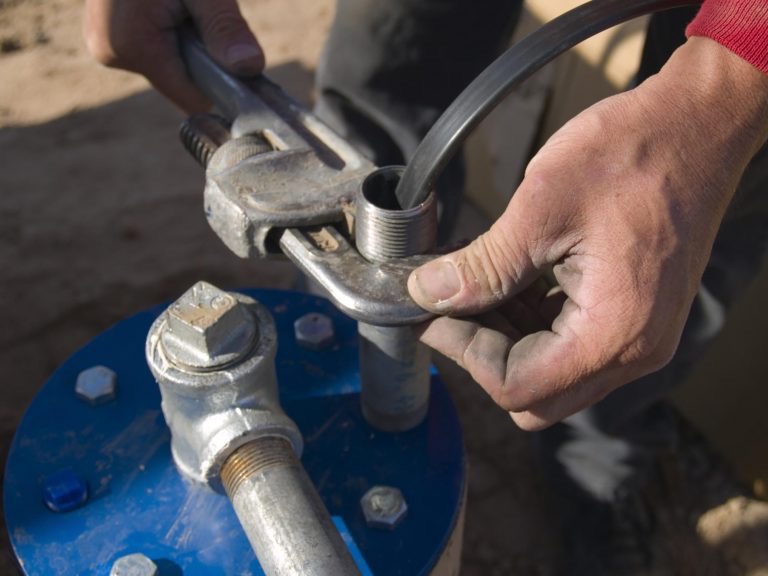
You can extend well pump life by maintaining proper pressure, monitoring system performance, cleaning components when needed, and scheduling regular inspections. Consistent well pump maintenance reduces strain on the system and helps prevent early failure.
Most pumps fail due to neglect, not age alone. Preventative care keeps the system efficient and avoids costly repairs or premature replacement.
How can I extend the life of my well pump?
Extending pump life requires reducing stress on the system and keeping all components working properly. A well-maintained pump can last significantly longer than one that is ignored.
Key ways to extend pump life
You should:
- Maintain correct pressure settings
- Monitor pump cycling patterns
- Fix leaks immediately
- Test water quality regularly
- Keep electrical connections stable
- Avoid overloading the system
Each step reduces wear on internal components.
Why pressure balance matters
The pump relies on the pressure tank to regulate operation. If pressure is unstable, the pump runs more often.
Frequent cycling is one of the fastest ways to reduce lifespan. Balanced pressure helps maintain efficiency and prevents overheating.
Importance of consistent monitoring
Changes in performance often signal early problems. Monitoring pressure, flow, and noise helps identify issues before they worsen.
Consistent well pump maintenance is the most effective way to prevent unexpected failure.
What maintenance prevents pump failure?
Preventative maintenance focuses on keeping the system clean, balanced, and properly adjusted. These actions reduce strain and improve performance.
Essential maintenance tasks
Include these in your routine:
- Check pressure tank air levels
- Inspect pressure switch operation
- Monitor pump run time
- Test water quality
- Check for leaks in pipes and fittings
- Inspect electrical connections
- Replace worn components early
These steps help prevent major system issues.
Why small issues lead to failure
Minor problems can create larger stress over time.
For example:
- A small leak forces the pump to run more often
- Sediment buildup reduces efficiency
- Electrical fluctuations can damage the motor
Ignoring these issues increases the risk of breakdown.
Preventative vs reactive maintenance
Preventative care avoids emergencies. Reactive repairs happen after damage occurs.
Routine well pump maintenance helps identify issues early and keeps the system stable.
How often should I clean my well system?
Well systems do not require frequent cleaning, but periodic maintenance is necessary to prevent buildup and maintain performance.
Recommended cleaning schedule
Cleaning may be needed:
- Every 1–3 years for general maintenance
- When sediment levels increase
- After water quality changes
- Following contamination events
- When system performance declines
The exact schedule depends on water conditions.
What cleaning involves
Cleaning may include:
- Flushing sediment from the system
- Cleaning filters and screens
- Inspecting pump components
- Removing buildup from pipes
- Sanitizing the well if needed
These steps help maintain system efficiency.
Why over-cleaning is not necessary
Frequent cleaning without cause can disturb the system. Maintenance should be based on need, not routine alone.
Proper evaluation ensures cleaning is done at the right time.
Regular checks combined with targeted cleaning help extend well pump life without unnecessary work.
Does regular inspection improve pump lifespan?
Yes, regular inspection is one of the most effective ways to extend pump lifespan. Inspections identify issues before they cause damage.
What inspections include
A standard inspection may involve:
- Checking system pressure
- Testing pump output
- Inspecting electrical components
- Evaluating tank performance
- Reviewing system balance
These checks provide a complete view of system health.
Benefits of regular inspections
Routine inspections help:
- Detect early wear
- Prevent unexpected failure
- Maintain consistent pressure
- Improve efficiency
- Extend system lifespan
They also reduce repair costs over time.
Frequency of inspections
Most systems should be inspected annually. More frequent checks may be needed for older systems or high-demand usage.
Professional well inspections ensure inspections are thorough and accurate.
What causes premature well pump wear?
Premature wear is usually caused by excessive workload, poor maintenance, or environmental factors. Identifying these causes helps prevent early failure.
Common causes of wear
Pump wear is often linked to:
- Short cycling
- Sediment buildup
- Low water levels
- Electrical issues
- Poor installation
- Overuse of the system
- Incorrect pressure settings
Each factor increases stress on the pump.
How short cycling affects the pump
Short cycling forces the pump to start and stop frequently. This creates wear on motor components.
Over time, this reduces efficiency and shortens lifespan.
Impact of water quality
Sediment and minerals can damage internal parts. Abrasive particles wear down impellers and reduce performance.
Regular well pump maintenance helps manage water quality issues and protect the pump.
Why proper setup matters
Incorrect installation or pressure settings can cause long-term problems. Ensuring the system is balanced from the start helps prevent premature wear.
Are professional tune-ups worth it for wells?
Yes, professional tune-ups provide detailed system checks that go beyond basic maintenance. They help identify hidden issues and improve overall performance.
What a professional tune-up includes
A technician may:
- Test system pressure and flow
- Inspect pump and motor performance
- Check electrical connections
- Evaluate pressure tank function
- Identify wear or damage
- Recommend adjustments or repairs
These steps ensure the system is operating correctly.
Benefits of professional service
Professional tune-ups help:
- Prevent major repairs
- Improve efficiency
- Extend pump lifespan
- Ensure safe operation
- Maintain consistent water supply
They also provide expert recommendations based on system condition.
When tune-ups are most important
Tune-ups are especially valuable:
- For older systems
- After performance changes
- Before peak usage seasons
- After repairs or upgrades
Consistent service helps extend well pump life and reduce long-term costs.
Keep Your Well Pump Running Longer and Stronger
The key takeaway is simple: consistent well pump maintenance is the most effective way to extend pump life and prevent failure.
Proper pressure balance, regular inspections, and timely repairs all contribute to system reliability. Ignoring small issues leads to increased wear and higher repair costs.
Preventative care helps avoid:
- Unexpected pump failure
- Water supply interruptions
- Increased energy use
- Damage to system components
Basic monitoring can be done at home, but professional inspections provide deeper insight into system performance.
At Well Doctor LLC, we help homeowners protect their systems with reliable maintenance and expert care. If you need trusted well pump maintenance or want to extend well pump life, we can inspect your system, identify risks, and keep your water supply running smoothly. Contact Well Doctor LLC for reliable support.