

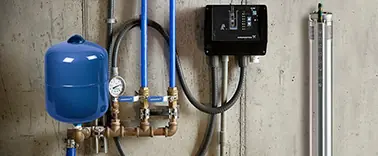
Well tank issues are usually caused by air pressure imbalance, internal damage, or wear over time, leading to poor water pressure and system strain. Proper diagnosis and timely well tank repair help restore system balance and prevent pump damage.
Most pressure tank problems start small but can quickly affect the entire well system if ignored.
What Are Common Well Pressure Tank Problems?
Well pressure tanks regulate water pressure and reduce pump cycling. When they fail, system performance drops.
Most Common Tank Issues
Typical pressure tank problems include:
- Waterlogged tanks
- Loss of air pressure
- Bladder or diaphragm failure
- Corrosion or internal rust
- Faulty pressure switch
- Leaks around fittings
- Improper tank sizing
Each issue affects how the system maintains pressure.
Why These Problems Occur
Pressure tanks rely on a balance between air and water. Over time, components wear out.
Air pressure can drop. Internal parts can fail. Sediment can also affect performance.
Impact on the System
When the tank fails, the pump must work harder. This leads to:
- Increased wear
- Higher energy use
- Inconsistent pressure
- Short cycling
Early well tank repair helps prevent these problems from spreading.
How Do I Know If My Pressure Tank Is Bad?
A failing pressure tank usually shows clear performance issues. These symptoms affect water delivery and system stability.
Common Warning Signs
You may notice:
- Fluctuating water pressure
- Pump turning on and off frequently
- Low water pressure at fixtures
- Water surges during use
- Air sputtering from faucets
- Tank feeling unusually heavy
These are strong indicators of pressure tank problems.
Physical Signs to Check
You can also inspect for:
- Visible rust or corrosion
- Leaks near the tank base
- Unusual noises from the tank
- Moisture around fittings
These signs often confirm internal issues.
Why Diagnosis Is Important
Some symptoms may overlap with pump or pipe problems. A proper inspection ensures the correct repair is made.
Accurate diagnosis avoids unnecessary replacements and ensures effective well tank repair in Charlotte, NC.
Why Is My Tank Causing Short Cycling?
Short cycling happens when the pump turns on and off rapidly. This is one of the most common pressure tank problems.
What Causes Short Cycling
Short cycling often results from:
- Loss of air pressure in the tank
- Waterlogged tank
- Faulty pressure switch
- Bladder failure
- Incorrect pressure settings
These issues prevent the tank from holding pressure properly.
How Short Cycling Affects the System
Short cycling causes:
- Increased pump wear
- Higher energy consumption
- Reduced system lifespan
- Inconsistent water pressure
The pump is forced to work harder than designed.
Why It Must Be Fixed Quickly
Ignoring short cycling can lead to pump failure. The tank must be repaired or adjusted to restore normal operation.
Timely well tank repair helps protect both the tank and the pump.
Can a Waterlogged Tank Affect Pressure?
Yes, a waterlogged tank is one of the most common causes of pressure issues. It occurs when the air cushion inside the tank is lost.
What Happens in a Waterlogged Tank
Without air pressure:
- The tank fills completely with water
- Pressure drops quickly during use
- Pump cycles more frequently
- System becomes unstable
This leads to poor performance.
Signs of a Waterlogged Tank
You may notice:
- Rapid pressure loss
- Pump turning on frequently
- Heavy tank with no air space
- Fluctuating pressure
These are clear pressure tank problems linked to air loss.
Why This Issue Develops
Waterlogged tanks often result from:
- Bladder failure
- Air valve issues
- Long-term wear
- Improper maintenance
Older tanks are more likely to develop this problem.
Why Repair Is Necessary
A waterlogged tank cannot regulate pressure effectively. This puts strain on the pump and reduces system efficiency.
Professional well tank repair in Charlotte, NC can restore proper function or determine if replacement is needed.
How Do Professionals Fix Pressure Tank Issues?
Professionals diagnose tank issues using pressure testing, visual inspection, and system evaluation. The repair depends on the specific problem.
Diagnostic Process
A technician will:
- Check tank pressure levels
- Inspect the pressure switch
- Test pump performance
- Look for leaks or corrosion
- Evaluate system balance
This helps identify the root cause.
Common Repair Methods
Repairs may include:
- Recharging air pressure
- Replacing pressure switches
- Fixing leaks
- Adjusting system settings
- Cleaning or flushing components
These steps restore system balance.
When Replacement Is Required
If the tank has:
- Internal damage
- Bladder failure
- Severe corrosion
Replacement may be the only option.
Why Professional Service Matters
Proper repair requires experience and tools. Incorrect adjustments can worsen the issue.
Reliable well pump installation, repair, and replacement ensures the system operates safely and efficiently.
Should I Repair or Replace My Well Tank?
The decision to repair or replace depends on the tank’s condition, age, and extent of damage.
When Repair Is Enough
Repair may be possible if:
- Air pressure is low
- Pressure switch is faulty
- Minor leaks are present
- System settings need adjustment
These issues can often be resolved without replacement.
When Replacement Is Necessary
Replacement is recommended if:
- The tank is waterlogged due to bladder failure
- Corrosion is severe
- The tank is over 10–15 years old
- Repairs are frequent or ineffective
These situations indicate the tank has reached the end of its lifespan.
Why Replacement May Be the Better Option
Replacing a failing tank can:
- Restore consistent pressure
- Reduce pump wear
- Improve system efficiency
- Lower long-term repair costs
A new tank provides reliable performance.
Planning Ahead
If your system shows ongoing pressure tank problems, it may be more cost-effective to replace the tank rather than continue repairs.
Professional evaluation helps determine the best option.
Keep Your Well System Running Smoothly
Well tank issues affect the entire system. Most pressure tank problems begin with air imbalance, wear, or internal failure.
Recognizing symptoms early helps prevent pump damage and system failure.
Key warning signs include:
- Short cycling
- Fluctuating pressure
- Waterlogged tank
- Unusual noises
- Reduced performance
Addressing these issues quickly ensures stable water pressure and protects system components.
Basic checks can help identify visible issues, but internal tank problems require professional diagnosis.
At Well Doctor LLC, we help homeowners resolve tank issues with reliable solutions. If you need expert well tank repair in Charlotte, NC or dependable well tank repair, we can inspect your system, identify the problem, and restore consistent water pressure.