

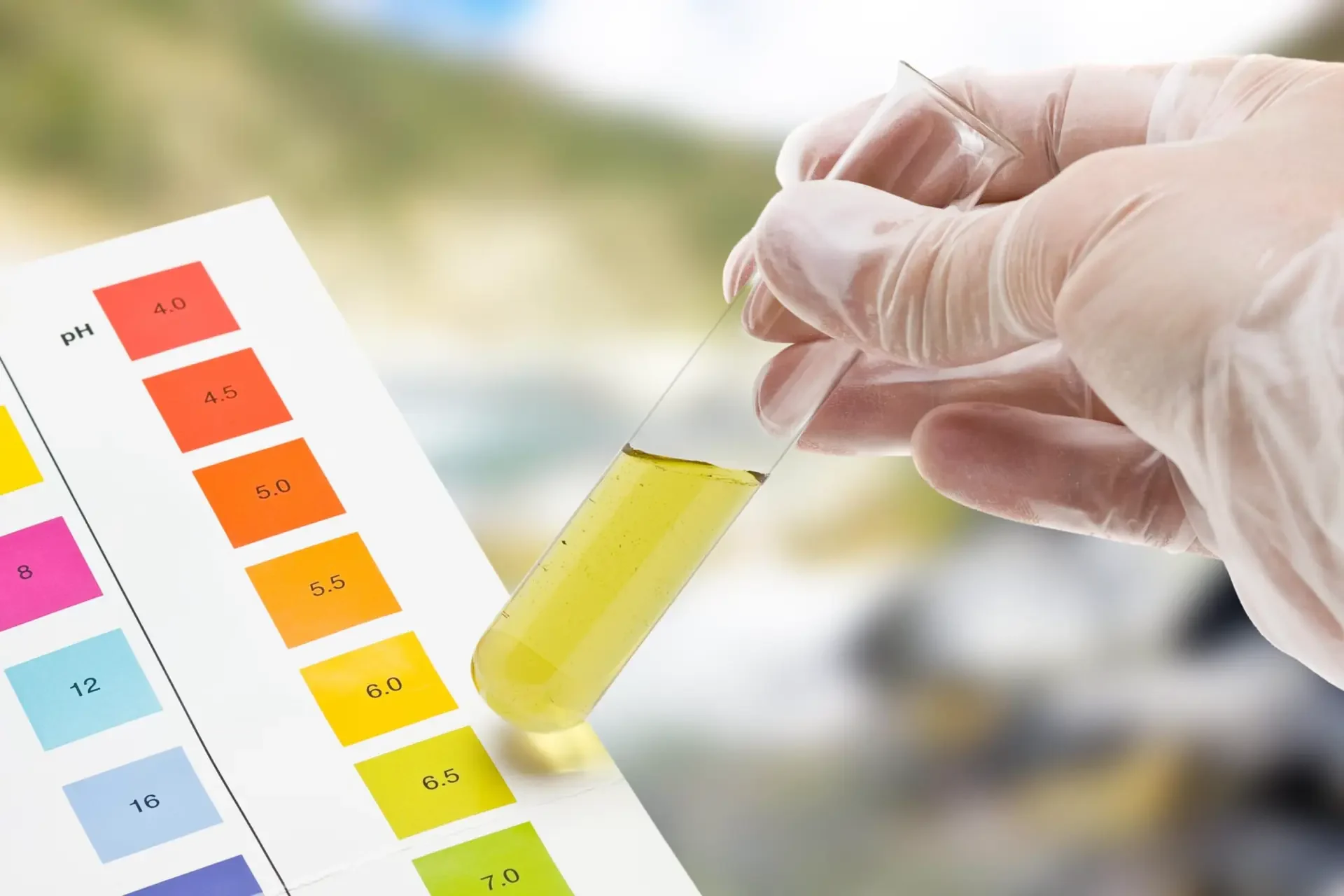
Well water testing is necessary to confirm that your water is safe to drink and free from harmful contaminants. Regular water quality testing helps detect bacteria, chemicals, and minerals that may not be visible but can affect health and system performance.
Most well owners are responsible for their own water safety. Without routine testing, issues can go unnoticed until they become serious.
How Often Should Well Water Be Tested?
Well water should be tested at least once per year for bacteria, nitrates, and basic contaminants. Additional testing may be needed depending on environmental conditions and system changes.
Recommended Testing Schedule
You should test your water:
- Once a year for bacteria and nitrates
- Every 2–3 years for minerals and metals
- After flooding or heavy rain
- After well repairs or pump replacement
- When there is a change in taste, smell, or color
These intervals help maintain consistent well water testing coverage.
Why Annual Testing Matters
Water quality can change over time. Groundwater conditions shift due to weather, nearby activity, and system wear.
Testing once a year ensures that:
- Contamination is detected early
- Drinking water remains safe
- Equipment is protected from buildup
- Treatment systems remain effective
Skipping testing increases the risk of undetected contamination.
Local Factors to Consider
If you rely on well water testing in Charlotte, NC, local soil conditions, seasonal rainfall, and nearby development can influence groundwater quality.
This makes consistent testing more important, especially after environmental changes.
What Contaminants Are Found in Well Water?
Well water can contain biological, chemical, and mineral contaminants. Some are harmless in small amounts, while others pose health risks.
Common Biological Contaminants
Biological risks include:
- Coliform bacteria
- E. coli
- Viruses
- Parasites
These contaminants often enter the system through surface water infiltration or poor well sealing.
Chemical Contaminants
Chemical risks may include:
- Nitrates from fertilizers
- Pesticides
- Industrial chemicals
- Fuel or oil contamination
These can enter groundwater from surrounding land use.
Mineral Content
Minerals are common in well water and may include:
- Iron
- Manganese
- Calcium
- Magnesium
- Sulfur
While not always harmful, high levels can affect taste, odor, and plumbing systems. Issues with odor and taste of well water may also point to mineral content or other water quality concerns.
Why Testing Is Necessary
Many contaminants are invisible. Water may appear clear but still contain harmful substances.
Routine water quality testing is the only reliable way to confirm safety.
Is Well Water Testing Required by Law?
In most cases, private well owners are not legally required to test their water regularly. However, testing may be required during property sales, rentals, or local inspections.
Situations Where Testing May Be Required
Testing may be needed for:
- Real estate transactions
- Mortgage or lender requirements
- Rental property compliance
- Local health department inspections
- Newly drilled wells
These situations often require documented well water testing results.
Why Testing Is Still Necessary
Even if not required by law, testing is strongly recommended.
Public water systems are regulated. Private wells are not. The homeowner is responsible for ensuring water safety.
Regular testing provides:
- Health protection
- System monitoring
- Documentation for future use
- Early detection of issues
Local Considerations
For homeowners needing well water testing in Charlotte, NC, local guidelines may vary. It is important to follow recommendations from health departments and professionals.
Can I Test My Well Water Myself?
You can use home testing kits for basic screening, but they do not replace professional analysis. DIY tests are useful for quick checks but may not detect all contaminants.
What Home Test Kits Can Detect
Most kits can test for:
- pH levels
- Hardness
- Iron
- Nitrates
- Basic bacteria presence
These tests provide general information but are limited in scope.
Limitations of DIY Testing
Home tests may not:
- Detect low-level contamination
- Identify specific bacteria strains
- Provide certified results
- Meet inspection or legal requirements
Results may also be less accurate compared to laboratory testing.
When to Use Professional Testing
Professional water quality testing is recommended for:
- Annual safety checks
- Real estate transactions
- Health concerns
- Unknown water issues
- Comprehensive analysis
Certified testing provides detailed results and reliable data.
What Are Signs My Well Water Is Unsafe?
Unsafe well water may show visible or noticeable changes, but not all contamination has clear signs. Monitoring both visible and hidden indicators is important.
Common Warning Signs
Watch for:
- Cloudy or discolored water
- Unusual taste
- Sulfur or rotten egg smell
- Metallic or bitter flavor
- Sediment in water
- Staining on fixtures
- Skin irritation after use
These signs may indicate contamination or system issues.
Less Obvious Signs
Some issues are not visible.
You may notice:
- Frequent illness without clear cause
- Plumbing buildup
- Reduced appliance efficiency
- Sudden change in water pressure
These symptoms may require testing to confirm.
Why Testing Is Still Needed
Even if water appears normal, it may still contain bacteria or chemicals.
Routine well water testing ensures safety regardless of visible changes.
How Much Does Professional Water Testing Cost?
The cost of professional testing depends on the type of analysis, number of contaminants tested, and location. Basic tests are more affordable, while comprehensive panels cost more.
Typical Cost Factors
Costs may vary based on:
- Type of contaminants tested
- Laboratory certification
- Number of samples
- Urgency of results
- Local service rates
Basic tests are usually lower cost. Full-spectrum testing is more detailed.
What You Get With Professional Testing
Professional testing provides:
- Accurate results
- Detailed contaminant breakdown
- Certified documentation
- Recommendations for treatment
- Peace of mind
This makes it more reliable than DIY options.
Why Cost Should Not Be the Only Factor
Testing is a safety measure, not just a maintenance task.
Ignoring testing to save money can lead to:
- Health risks
- Expensive system repairs
- Contaminated water use
- Appliance damage
Regular water quality testing is a practical investment.
Protect Your Water Supply With the Right Testing Plan
The key takeaway is clear: well water testing should be done regularly to ensure safe, clean water. Testing helps identify contaminants, monitor system health, and prevent long-term issues.
Annual testing, combined with additional checks after environmental changes or system repairs, provides reliable protection.
Homeowners can perform basic checks, but professional testing offers accurate and complete results. This is especially important when safety is a concern.
At Well Doctor LLC, we provide trusted testing and system evaluations. If you need dependable well water testing in Charlotte, NC or expert-level water quality testing, we can assess your water, explain the results, and help you maintain a safe and reliable well system. For related water concerns, professional well water treatment may also help address contamination, odor, taste, or mineral issues.