

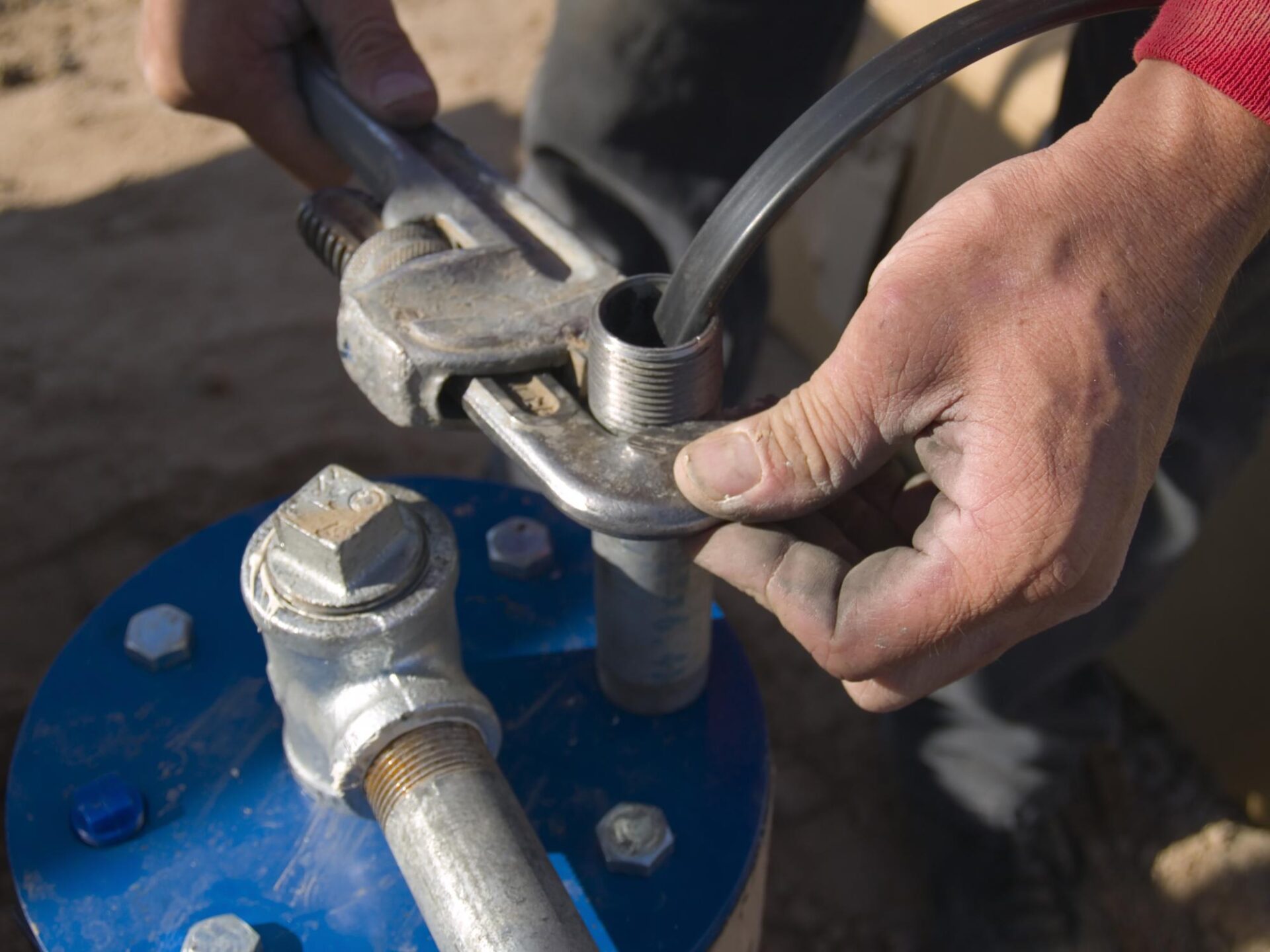
A well drilling estimate should explain the assumed scope of work rather than simply provide one total. Depending on the project, that scope may include drilling, casing, well completion, pump equipment, pressure-system components, testing, permits, and related work, or some items may be priced separately.
The final cost can change when actual site conditions differ from the assumptions used to prepare the quote. Well depth, geology, casing requirements, access, pump sizing, electrical needs, and other project-specific factors may not be fully known until drilling begins.
That is why the better question is not only, “How much will the well cost?”
It is:
“What is included in this well drilling estimate, what assumptions were used, and what could change the final scope?”
Homeowners in North Carolina and South Carolina should also remember that well construction requirements are jurisdiction-specific. North Carolina and South Carolina have separate standards, permitting processes, and documentation requirements.
Before comparing estimates, homeowners can review Well Doctor’s well drilling services to better understand the work involved.
Base Scope and Allowances
A useful estimate starts by defining the base scope.
Depending on the project, that may include:
- Mobilization of drilling equipment
- Drilling to an assumed depth
- Well casing
- Grouting or sealing
- Well completion work
- Well cap or related components
- Pump installation
- Drop pipe or water line
- Electrical controls
- Pressure tank
- Trenching or connection to the house
- Water testing
- Permit fees
- Site cleanup
Not every contractor groups these items the same way.
One company may quote drilling and casing separately from the pump system. Another may offer a broader package. A third may include allowances for certain components and bill actual quantities after the well is completed.
That is why homeowners should avoid comparing estimates only by the final number.
Two quotes may look different because they include different work.
What Is an Allowance?
An allowance is an estimated amount for part of the project that cannot yet be determined precisely.
For example, a quote may assume a certain amount of casing based on expected geology. If actual conditions require more casing, the final price may change.
The estimate should explain:
- What quantity is assumed
- What unit price applies
- What happens if the quantity changes
For broader cost context, see Well Drilling, Repair, and Maintenance Costs: What You Need to Know.
Depth, Casing, and Site Access
Well depth, casing requirements, and access are among the biggest variables in a drilling project.
Well Depth
The final well depth generally cannot be guaranteed before drilling.
A contractor may review local experience, geological information, and nearby records, but the exact depth needed to reach an adequate water-bearing formation may not be known until work begins.
That is why many estimates use a per-foot structure or include an assumed depth with an additional-footage rate.
Ask:
- What depth is assumed?
- Is drilling billed per foot?
- What happens if usable water is found sooner?
- What happens if the well must go deeper?
The goal is not to predict the exact depth. It is to understand how changes will affect the price.
Casing
Casing requirements depend on geology, well design, and applicable construction standards.
Homeowners should ask whether the estimate includes:
- A fixed amount of casing
- Casing priced by the foot
- Grouting or sealing
- Additional charges for extra casing
Again, the important point is understanding how additional material will be priced if site conditions require it.
Site Access
Drilling equipment needs adequate access to the proposed well location.
Possible challenges include:
- Narrow driveways
- Steep terrain
- Soft ground
- Trees or landscaping
- Fences
- Overhead utilities
- Underground utilities
- Long distances from the well to the house
Ask whether normal mobilization is included and whether difficult access could increase the scope.
The estimate should also clarify who handles site preparation, utility marking, grading, tree removal, or restoration.
For more detail about how drilling progresses from start to finish, see The Journey to a Clean Water Supply: An In-Depth Look at the Well Drilling Process.
Pump and Pressure-System Inclusions
The drilled well and household water-delivery system are related, but they are not always included in the same quote.
A drilling estimate may or may not include:
- Submersible pump
- Pump sizing
- Drop pipe
- Pump wire
- Well cap
- Pitless adapter
- Pressure tank
- Pressure switch
- Pressure gauge
- Control box
- Trenching
- Water line to the house
- Electrical connection
Ask directly:
“Is the pump system included in this estimate?”
Do not assume it is.
Is the Pump Included in a Drilling Quote?
Sometimes yes, sometimes no.
A contractor may quote drilling first and price the pump system separately after the well is completed.
That can make sense because final pump selection may depend on:
- Total well depth
- Static water level
- Pumping water level
- Household flow requirements
- Pressure requirements
- Distance from the well to the house
The estimate should explain whether pump equipment is:
- Included as a fixed item
- Included as an allowance
- Priced after drilling
- Excluded from the base quote
This is one reason two estimates that appear similar may not actually cover the same project scope.
Testing and Completion Documentation
A well project does not end when drilling stops.
Ask what testing and documentation are included.
Depending on the project and jurisdiction, that may include:
- Well construction records
- Yield or flow information
- Water sampling
- Disinfection
- Bacteriological testing
- Chemical testing
- Permit documentation
- Pump specifications
North Carolina uses a formal Well Construction Record, commonly called the GW-1, while South Carolina maintains separate residential-well permitting and inspection requirements.
Those requirements do not automatically tell you what your contractor includes.
Ask which documents you will receive after completion.
Is Water Testing Included?
Do not assume so.
A contractor may include basic sampling, arrange testing separately, or leave testing to another provider.
Ask:
- Is water testing included?
- What is tested?
- Who collects the sample?
- Which laboratory analyzes it?
- Are additional tests optional?
- Are retests included?
A statement such as “water testing included” is less useful than knowing the actual panel.
Why Can the Final Drilling Cost Change?
A well drilling estimate is based on what can reasonably be known before work begins.
Subsurface conditions create uncertainty.
Greater Depth
If sufficient water is not found at the assumed depth, additional drilling may be needed.
Additional Casing
Unexpected geology may require more casing or completion material.
Difficult Geology
Different formations can affect drilling progress and equipment use.
Access Problems
Site conditions may prove more difficult once heavy equipment is mobilized.
Pump-System Requirements
The final well configuration may require different pump equipment, pipe, wire, or controls than initially assumed.
Trenching and Distance
A longer route between the well and house can increase trenching, piping, wiring, and labor.
Electrical Work
Electrical upgrades or longer runs may fall outside the base scope.
Water Treatment
A drilling estimate should not automatically assume that treatment equipment will be required.
If later testing identifies a specific water-quality issue, treatment should be selected based on those findings.
Questions About Changes and Exclusions
One of the best ways to evaluate a well drilling contractor is to ask how changes are handled.
Before signing, ask:
- What depth is assumed?
- What is the per-foot rate?
- How much casing is included?
- What happens if more casing is needed?
- Is grouting included?
- Is the pump included?
- Is the pressure tank included?
- Is trenching included?
- Is electrical work included?
- Is water testing included?
- Are permit fees included?
- Is site restoration included?
- What could trigger additional charges?
- How will scope changes be documented?
The estimate should also list exclusions.
A lower quote may simply exclude work that another contractor includes.
How Do I Compare Two Well Drilling Estimates?
Compare estimates line by line rather than only comparing totals.
Break each quote into the same categories.
Drilling
- Assumed depth
- Per-foot rate
- Mobilization
Casing and completion
- Included footage
- Additional footage rate
- Grouting
- Wellhead components
Pump system
- Pump
- Drop pipe
- Wire
- Controls
- Pressure tank
Connection
- Trenching
- Water line
- Electrical connection
Testing and documentation
- Yield testing
- Water testing
- Construction records
- Permits
Other
- Site preparation
- Cleanup
- Restoration
- Exclusions
Once the scope is aligned, the estimates become easier to compare.
A quote that is several thousand dollars lower but excludes the pump, pressure tank, trenching, and electrical connection may not actually produce a lower final project cost.
If you need more background before comparing bids, review Well Doctor’s well drilling services.
Avoid Treating an Estimate as a Guaranteed Final Total
An estimate is not always the same as a guaranteed fixed-price contract.
That distinction matters in drilling because the contractor cannot see underground conditions before work begins.
Ask which items are fixed and which are variable.
For example:
Fixed item: mobilization.
Variable item: drilling footage.
Allowance: estimated pump package.
Separate work: electrical connection.
If a contractor provides one total, ask what assumptions must remain true for that amount to stay the same.
NC and SC Requirements are Not Identical
Homeowners should not assume North Carolina and South Carolina use identical permitting or construction rules.
North Carolina maintains its own well construction standards and works through applicable state and local processes.
South Carolina has separate residential-well permitting requirements and well construction standards.
Because regulations can change, verify current requirements for the specific property rather than relying on an old checklist or another homeowner’s experience.
Your contractor should be able to explain which permitting, construction, and documentation requirements apply.
What Should a Well Drilling Estimate Include?
At minimum, a useful estimate should clearly explain:
- Drilling scope
- Assumed depth or per-foot pricing
- Casing assumptions
- Pump inclusion or exclusion
- Pressure-system components
- Trenching and connection work
- Testing
- Permits and documentation
- Site-access assumptions
- Exclusions
- Conditions that could change the final price
It does not need to predict every unknown.
It should explain how those unknowns will be handled.
Is the Pump Included in a Drilling Quote?
Not always.
Some contractors quote drilling separately from pump and pressure-system installation, while others offer a more complete package.
Ask whether the estimate includes the pump, drop pipe, wire, pressure tank, controls, trenching, and connection to the house.
Why Can the Final Cost Change?
Final cost can change because of additional depth, casing requirements, geology, site access, pump sizing, trenching distance, electrical work, or other project-specific conditions.
A clear estimate should identify which items are variable and explain how they will be priced.
Compare Estimates for Your NC or SC Property
If you are planning a new well in North Carolina or South Carolina, compare estimates by scope rather than headline price.
Ask each contractor what is included, what is an allowance, what is excluded, and which conditions could change the final amount.
Review Well Doctor’s well drilling services for more information about drilling work. For broader cost context, see Well Drilling, Repair, and Maintenance Costs: What You Need to Know. To understand the work itself, read The Journey to a Clean Water Supply: An In-Depth Look at the Well Drilling Process.
When requesting an estimate from Well Doctor, ask about the assumed drilling scope, casing and pump inclusions, testing, documentation, and the conditions that could change the project total.
A good estimate should help you understand the project before drilling starts without giving false certainty about conditions that can only be confirmed underground.