

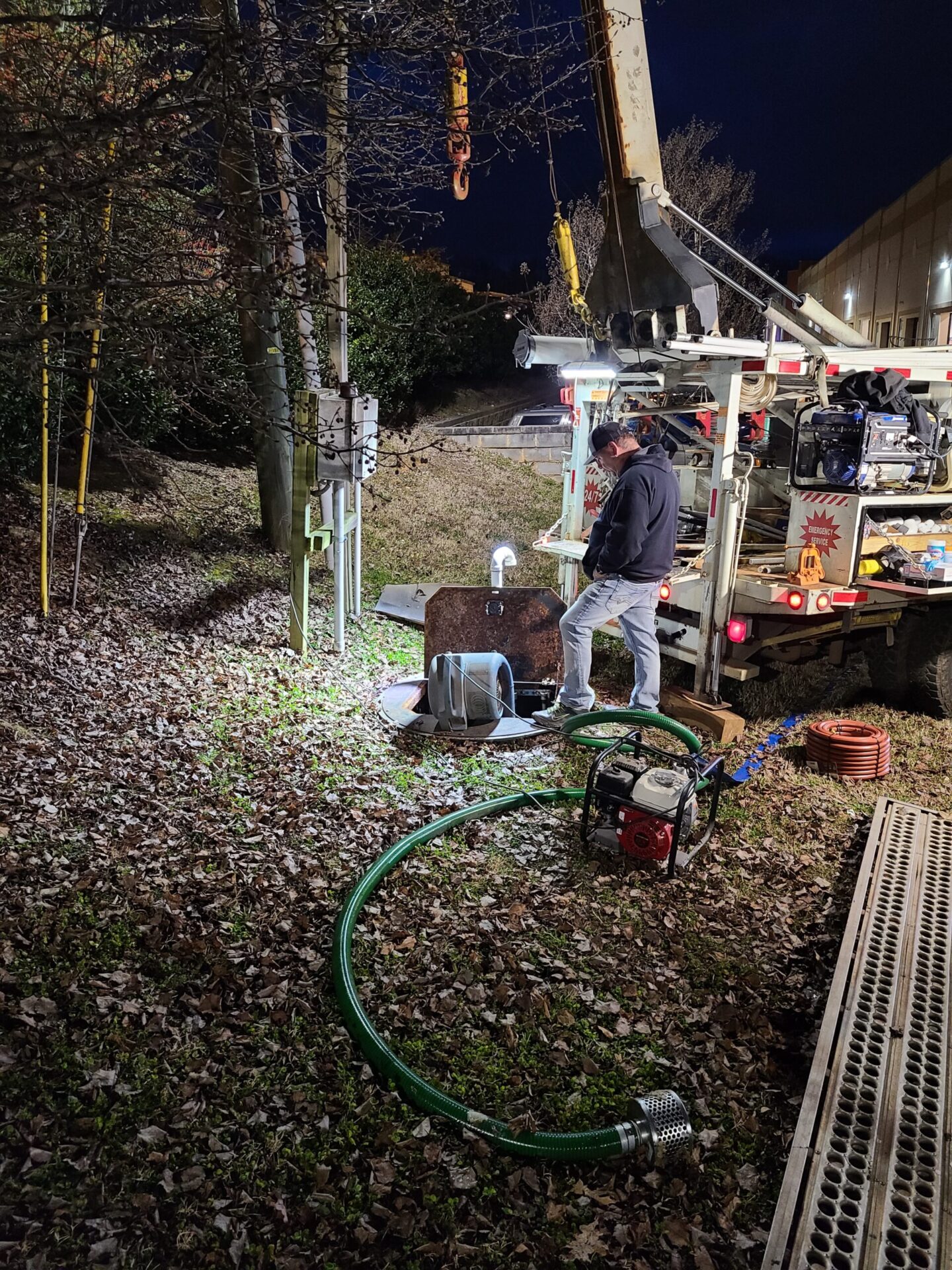
If your water sounds different or feels unpredictable in winter, your well might be trying to tell you something. Cold weather puts extra strain on well systems, and issues tend to show up when temperatures drop.
You might notice banging sounds, fluctuating pressure, or water that takes longer to reach the tap. These aren’t just seasonal quirks. They’re early warning signs of a well that’s under stress. Winter makes small problems harder to ignore because everything is working overtime.
Understanding what these changes mean can help you act before the situation gets worse. Paying attention now can save you from bigger headaches once winter really sets in.
Why does a well system make loud noises during winter?
If you’ve ever heard your well pump sound like it’s auditioning for a role in a holiday horror movie, you’re not alone. Strange winter noises are practically a rite of passage in colder regions. But noisy wells aren’t just quirky—they’re clues.
Here are a few reasons your well suddenly becomes the loudest thing on your property:
- Cold weather stiffens your pipes. As temperatures drop, metal contracts. Pipes get tighter, more brittle, and more prone to vibration when water moves through them. This can create popping, creaking, or banging sounds.
- The pump is working harder than it should. When components begin to freeze, or when water flow is restricted, the pump compensates by cycling more aggressively. A stressed pump is a loud pump.
- Air gets trapped in the system. Cold conditions sometimes pull small amounts of air into the lines. When that air moves through the system, it creates chatter and rattling noises.
- The pressure tank is struggling. Winter shifts can affect tank diaphragms and air charge. When the tank can’t regulate pressure smoothly, you may hear clunks or rapid-fire clicking.
From an opinion standpoint, I’d argue loud noises are one of the most reliable “red flags” winter gives us. A quiet well system is a happy one. When it gets noisy, it’s usually trying to tell you something—and it’s rarely good news. Homeowners who assume the noise is normal often end up dealing with bigger (and more expensive) problems later.
The good news? Noisy wells don’t always mean imminent failure. Sometimes the fix is simple, like adding insulation or adjusting the pressure tank. But ignoring the noise is where trouble starts.
What causes pressure swings in a well when temperatures drop?
If winter well noises are the symptoms you hear, pressure swings are the symptoms you feel. There’s nothing like washing your hands in December only to suddenly lose pressure, then regain it, then lose it again. It’s annoying, but more importantly, it’s a sign your well system is struggling to stabilize itself.
Pressure swings in winter often come down to a few predictable culprits:
- Partially frozen pipes. Even a slight freeze in the supply line can restrict water flow just enough to cause pressure to rise, fall, and fluctuate unpredictably.
- A failing pressure switch. Cold temperatures stress electrical components. When a switch begins sticking or misreading pressure thresholds, your system reacts with erratic output.
- A weakening pressure tank. The tank’s job is to smooth out pressure changes. When its internal bladder becomes stiff from the cold or starts to fail, the whole system loses consistency.
- Pump fatigue. A pump that’s aging or overworked reacts to winter pressure changes like a tired athlete—it just can’t keep up.
Pressure swings are one of those issues homeowners tend to dismiss as “just a cold-weather thing,” but in reality, they’re a pretty blunt indicator that your system is headed for a mid-season breakdown. In my opinion, swings in pressure are less about the cold itself and more about how the cold exposes problems that were already brewing. The cold simply removes the system’s wiggle room.
When everything is working perfectly, winter shouldn’t cause dramatic pressure changes. Even when temperatures dip into the single digits, a healthy system maintains a steady flow. Which means if you’re feeling those ups and downs, your well is trying to wave a flag: Pay attention. Something is off.
How can slow water flow signal that a well is experiencing issues?
Of all the winter symptoms homeowners report, slow water flow is the one that gets shrugged off the fastest. People often assume it’s temporary. “The pipes are cold.” “The water table must be low.” “Maybe the kids used too much hot water.” But slow flow isn’t just an inconvenience—it’s a diagnostic goldmine.
Because wells don’t lose flow for just one reason. They lose flow because something important has changed.
Here’s what slow flow may be telling you:
- Your well pump is losing efficiency. Pumps wear out, and winter stresses them. A pump at the end of its lifespan can still run, but not at full strength.
- There’s a blockage somewhere. Sediment, iron buildup, or even ice can restrict flow. Winter often accelerates sediment movement inside a well, especially if water levels shift.
- Your water table has dropped. While not always the case, cold-weather demand patterns sometimes create temporary drops. This makes the pump work harder to pull water.
- Your pressure tank is struggling. Slow flow often shows up when the tank fails to maintain consistent pressure between cycles.
- Your pipes are partially frozen. The biggest winter villain. Even a small freeze slows everything down long before a pipe actually bursts.
Slow flow is sneaky because it often starts with something minor. But wells rarely fix themselves. And in my experience, slow flow is usually the earliest and friendliest warning sign a system will ever give you. It’s the whisper before the shout.
If you’re dealing with slow flow this winter, the smart move is to treat it as a signal, not a seasonal inconvenience. A well system in good health doesn’t slow down just because it’s cold—it slows down because something is limiting its ability to perform.
Why do seasonal changes lead to sudden performance problems in a well system?
Winter has a talent for revealing weaknesses that the warmer months hide. Everything becomes less forgiving in the cold. Components stiffen, water behaves differently, and even tiny inefficiencies become noticeable. That’s why well systems that seem perfectly fine all summer suddenly act unpredictable as soon as the first frost arrives.
So what is it about seasonal changes that makes problems show up so quickly?
- Temperature changes cause contraction and expansion. Pipes shrink, threads loosen, fittings shift, and seals become less flexible. Even slight structural changes can upset the system’s balance.
- Demand patterns change in winter. Families use more hot water, showers last longer, and the system is under heavier strain.
- Water chemistry changes. Cold water can stir up minerals and sediment differently, causing filters and pipes to clog faster.
- Electrical components get stressed. Pressure switches, control boxes, and pump motors don’t love extreme temperatures.
- Groundwater levels can fluctuate. Winter precipitation and freezing soil can temporarily affect recharge rates.
But here’s the nuance: winter isn’t causing these problems—it’s exposing them. A well system in perfect shape doesn’t panic when the thermometer drops. What winter actually does is take away the margin for error. It’s the equivalent of driving the same car up a steep hill. Suddenly, every little weakness becomes loud and obvious.
That’s why homeowners often feel blindsided by winter well issues. The system seemed fine. Then a cold snap hits, and suddenly it’s noisy, weak, or inconsistent. In reality, the signs were there—they just weren’t visible until the conditions got tougher.
Let Well Doctor LLC Keep Your Well Healthy Before the Real Trouble Starts
Your well works year-round. It deserves a little winter attention to keep everything running smoothly. If anything in this article sounds familiar, Well Doctor LLC has licensed technicians who can diagnose the issue, fix it fast, and make sure your water stays dependable no matter how cold it gets.
Reach out to Well Doctor LLC today, and let’s make this the winter your well doesn’t give you a surprise performance.