

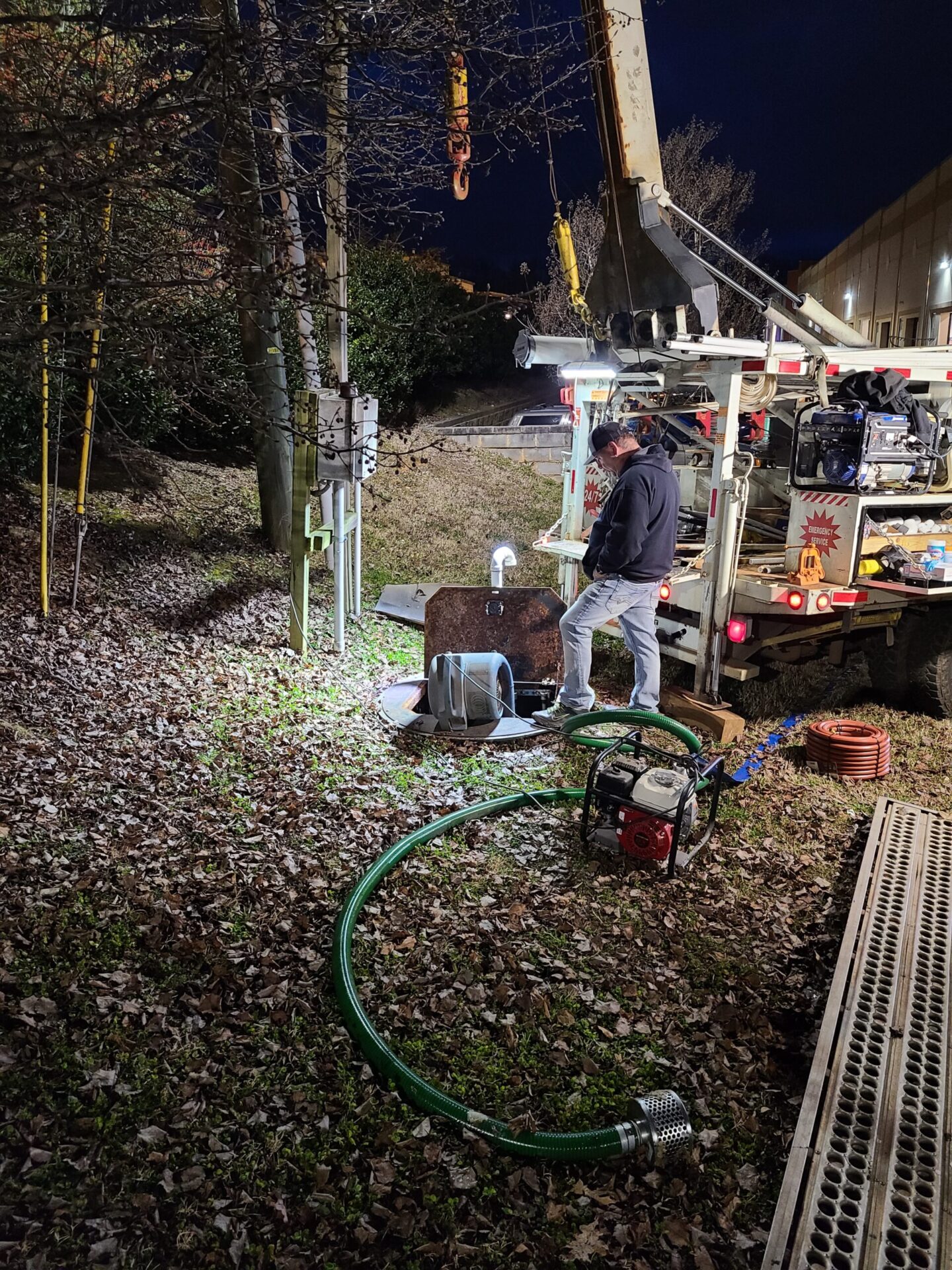
Winter brings more than icy roads and frozen windshields. For homeowners relying on private well systems, subzero temperatures can create serious water emergencies with little warning.
When the temperature drops fast, your well pump, pressure tank, and underground water lines are placed under extreme stress. What starts as a small freeze can quickly become a complete loss of water access.
What are the signs of an emergency well problem during freezing winter temperatures?
When freezing temperatures settle in, your well system may show early warning signs before a full breakdown occurs. Recognizing these symptoms quickly can help you take action before the situation becomes a true emergency.
Some of the most common signs include:
- Sudden loss of water flow inside the home
- Faucets producing only a weak trickle
- Strange noises coming from the well pump or pressure tank
- Water that looks cloudy or contains air bubbles
- Pipes that appear frozen or unusually cold to the touch
- Complete loss of water access without warning
In winter, these symptoms often point to freezing somewhere in the system. Even if the well itself is underground, components like exposed pipes, pump housings, or shallow lines are at high risk.
A key indicator of an emergency is when water stops suddenly. Unlike gradual wear and tear, winter failures happen fast. Water lines can freeze overnight, and pumps can fail within hours once ice blocks the flow.
If you notice any combination of these symptoms during a cold spell, it’s safest to treat it as an urgent well repair situation.
Can frozen weather cause sudden loss of water pressure in a private well system?
Yes, frozen weather is one of the most common causes of sudden water pressure loss in private well systems.
When temperatures fall below freezing, several things can happen at once:
Ice blockages restrict flow
Water traveling through pipes can freeze, especially in shallow or exposed areas. When ice forms inside a line, it reduces the space water can move through. That results in low pressure or no water at all.
Pump strain increases dramatically
A well pump is designed to move water freely. When freezing creates resistance or blockage, the pump works harder to push water through. This extra workload can burn out the motor or damage internal components quickly.
Pressure tanks may stop functioning properly
The pressure tank helps regulate water flow through your home. If the system is affected by frozen lines or pump disruption, the tank may cycle incorrectly or fail to maintain consistent pressure.
Frozen ground shifts and stresses pipes
As the ground freezes, it expands. That expansion can cause underground pipes to crack, disconnect, or collapse under pressure changes.
Sudden pressure loss during winter is often an early emergency signal. Many homeowners mistake it for a minor inconvenience, but in reality, it can be the beginning of a major well failure.
The important takeaway is this: freezing conditions can turn a stable well system into a no-water emergency in a very short time.
How quickly should you call for emergency well repair when subzero temperatures damage your well?
The answer is simple: immediately.
When winter temperatures drop into the subzero range, well system damage progresses faster than in any other season. Waiting even a day can turn a manageable repair into a costly replacement.
Here’s why timing matters so much:
Frozen pipes can burst quickly
Once water freezes inside a pipe, pressure builds. Pipes often crack or burst as the ice expands. When thawing happens, flooding and serious property damage can follow.
Pump motors burn out under stress
If a pump continues trying to move water through frozen lines, the motor can overheat and fail completely. That can lead to the need for a full pump replacement instead of a simple repair.
Water loss impacts daily living immediately
Without well water, basic needs stop:
- Toilets won’t flush
- Showers won’t run
- Appliances can’t function
- Cooking and cleaning become difficult
This is especially dangerous for homes with children, elderly residents, or medical needs.
Emergency repairs are often cheaper early
Addressing a freeze-related issue early might involve thawing, insulation improvement, or minor part replacement. Waiting too long can mean collapsed pipes, electrical issues, or complete pump failure.
If you suspect winter damage, don’t wait for things to “work themselves out.” Emergency well problems almost always get worse with time, not better.
Why do well pumps and water lines fail more often during extreme winter cold?
Extreme cold is one of the harshest conditions for a private well system. Even systems that function perfectly year-round are vulnerable when temperatures plunge.
So why does winter cause so many failures?
Water freezes faster than people realize
Many homeowners assume underground systems are safe. While deeper lines are protected, shallow pipes, above-ground connections, well caps, and pump components are exposed and can freeze quickly during subzero weather.
Winter increases demand on the system
During cold months, households often use more water for:
- Hot showers
- Heating system needs
- Laundry and indoor cleaning
- Seasonal guests
More demand combined with cold stress puts extra pressure on pump performance.
Cold air affects electrical components
Well pumps rely on electrical controls, pressure switches, and wiring. Extreme cold can cause brittle wiring, switch malfunctions, or voltage irregularities that impact pump operation.
Expansion and contraction cause cracks
Repeated freezing and thawing cycles make pipes expand and contract. Over time, this weakens joints, fittings, and connections, leading to leaks or sudden breaks.
Pump chambers and housings can freeze
In some cases, the pump housing itself is affected. If moisture gets into the system and freezes, it can damage seals and internal parts.
Poor insulation becomes a major risk
A well system that is only lightly protected may survive mild winters, but subzero conditions expose weak points immediately.
Winter well failures are so common because cold attacks the system in multiple ways at once, from mechanical stress to frozen blockages to electrical disruption.
Staying Ahead of Winter Well Emergencies
While emergencies can happen unexpectedly, there are ways homeowners can reduce risk through winter preparation.
Some helpful prevention steps include:
- Insulating exposed pipes and well covers
- Keeping consistent water flow during extreme cold
- Sealing drafts in pump houses or utility areas
- Installing freeze protection for vulnerable components
- Scheduling winter system inspections before the coldest months
Even with preparation, subzero temperatures can still cause sudden problems, which is why knowing the warning signs is so important.
When water stops flowing or pressure drops without explanation, fast action is the difference between a simple repair and a full system breakdown.
Emergency Winter Well Repair Help
If freezing temperatures have caused sudden water loss, weak pressure, or suspected pump failure, don’t wait for the damage to worsen. Winter well emergencies can escalate quickly, leading to frozen pipes, burned-out pumps, and costly repairs.
The sooner the issue is diagnosed, the better your chances of restoring water safely and preventing long-term system damage. Whether your well lines are frozen or your pump is struggling under extreme cold, professional emergency service is essential.
Contact Well Doctor LLC today for fast, reliable emergency well repair when subzero weather hits hardest.