

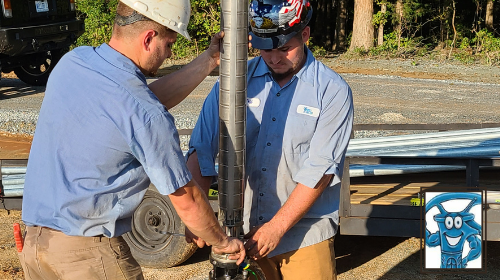
For property owners who rely on private wells, winter can be one of the most stressful seasons of the year. When temperatures drop below freezing, well systems face greater strain, and unexpected issues like frozen pipes, low water pressure, or pump failures become much more common.
What many homeowners don’t realize until it happens is that well repairs often cost more in winter than they do during warmer months. Cold weather creates obstacles that make diagnosing, accessing, and fixing well problems more difficult. From frozen ground to emergency service demand, winter conditions can significantly raise repair expenses.
Why do well repair costs increase during winter months for property owners?
Well repair costs often increase during winter months because cold weather creates conditions that make repairs more difficult, time-sensitive, and labor-intensive for property owners. When temperatures drop below freezing, private well systems are more likely to experience sudden problems that require urgent attention.
Here are the main reasons winter well repairs typically cost more:
- Emergency service demand rises because frozen pipes, low water pressure, and pump failures happen quickly in extreme cold.
- Repairs are often urgent, meaning crews may need to respond after hours or on short notice.
- Frozen ground makes digging harder, especially when underground water lines or pump connections must be accessed.
- Extra equipment may be required to break through ice or safely thaw frozen components.
- Snow and icy conditions slow down work, creating longer labor times and higher service costs.
- Harsh weather increases safety risks, so technicians must take additional precautions while working outdoors.
- Winter storms can delay scheduling, adding urgency and making service availability more limited.
- Problems tend to spread faster in cold weather, turning small issues into larger, more expensive repairs.
For property owners, the best way to reduce winter repair costs is to schedule inspections early, address minor issues quickly, and avoid waiting until the system fails completely.
What winter weather conditions make well system repairs more expensive?
Winter weather creates several challenging conditions that make well system repairs more expensive compared to warmer seasons. Cold temperatures don’t just affect the well itself, they also make it harder for technicians to access and repair the system efficiently.
Here are the main winter weather conditions that drive up repair costs:
- Freezing temperatures can cause pipes and water lines to freeze solid, requiring extra time to locate blockages and safely thaw components.
- Snow buildup may cover wellheads, access panels, or pump areas, adding labor just to reach the system.
- Ice-covered surfaces create hazardous working conditions, forcing crews to work more slowly and carefully.
- Subzero wind chills make outdoor repairs tougher, increasing labor time and limiting how quickly work can be completed.
- Frozen soil becomes extremely hard, making excavation difficult when underground pipes or pump connections need repair.
- Winter storms can delay travel and scheduling, sometimes requiring emergency response during dangerous weather.
- Limited daylight hours reduce the amount of safe working time available for outdoor repairs.
- Widespread winter demand means more homeowners experience system failures at the same time, increasing service urgency and cost.
These seasonal conditions make winter one of the most expensive and stressful times for private well repairs.
How can frozen ground impact the price of well pump repairs in cold seasons?
Frozen ground has a major impact on the price of well pump repairs during cold seasons because it makes access and repair work much more difficult. Many well system components are buried underground, and winter soil conditions add extra time, labor, and equipment costs.
Here’s how frozen ground increases repair expenses:
- Excavation becomes harder because frozen soil can be as solid as concrete, requiring heavy machinery or specialized tools.
- Digging takes much longer, increasing labor hours compared to repairs in warmer months.
- Access to underground water lines is limited, especially if pipes connected to the pump need replacement or repair.
- Greater risk of damaging surrounding pipes exists when digging through frozen layers, so technicians must work more carefully and slowly.
- Thawing may be necessary before repairs can begin, which adds extra steps and equipment.
- Winter conditions often require emergency scheduling, especially if the pump fails completely and the household loses water.
- Cold weather delays repairs, meaning jobs can stretch over longer periods, increasing total service costs.
Because frozen ground makes pump repairs more complicated and time-consuming, property owners often pay significantly more for well service during winter than other times of year.
What should property owners expect when scheduling well repairs in winter?
Scheduling well repairs in the middle of winter is very different from booking service in spring or summer. Cold weather adds complexity, urgency, and sometimes higher costs. If you’re planning a repair during freezing conditions, it helps to know what’s realistic before the technician arrives.
Here’s what property owners should expect:
- Limited scheduling availability
Winter is peak season for emergency well issues, especially during sudden cold snaps. Frozen lines, pump failures, and pressure problems increase call volume. You may need to wait longer than usual unless the issue is urgent. - Longer diagnostic time
Cold weather problems often involve multiple components. Low water pressure, for example, could be caused by a frozen pipe, a failing pump, or a pressure tank malfunction. Technicians may need extra time to identify the true source of the issue. - Higher repair costs in some cases
Emergency service outside regular business hours typically comes with additional fees. If your property loses water completely, immediate response may be necessary. - Temporary water disruptions
Repairs may require shutting off water for extended periods while lines thaw or parts are replaced. It’s wise to keep bottled water on hand just in case. - Weather-related delays
Frozen ground, snow, and icy conditions can slow access to well components and extend repair time. - Preventive recommendations
After repairs, professionals may suggest insulation upgrades, freeze protection systems, or pipe modifications to reduce the risk of repeat winter issues.
Winter well repairs require patience and preparation, but knowing what to expect can make the process far less stressful.
Get Help with Winter Well Repairs
Winter well problems can escalate quickly, and repairs often cost more due to frozen ground, harsh conditions, and urgent service needs.
If you’re experiencing low water pressure, frozen lines, or pump issues during cold weather, acting fast can prevent bigger damage and higher expenses. Property owners shouldn’t wait until the system fails completely.
Professional repair service ensures the problem is diagnosed correctly and fixed safely, even in the toughest winter conditions. Contact Well Doctor LLC today to schedule reliable well repair support and protect your water system all season long.