

Table of Contents
- Why Does My Well Water Smell Like Rotten Eggs?
- What Causes Cloudy Water From A Private Well?
- Why Is My Well Water Turning Brown Or Rusty?
- Is Discolored Well Water Safe To Drink?
- How Do You Remove Sulfur Smells From Well Water?
- What Water Treatment Solutions Work For Well Water Problems?
- When Should I Test My Well Water For Contamination?
- Key Takeaways
- Turn Water Problems Into Clear Answers
Cloudy rusty smelly well water usually points to minerals, gases, sediment, bacteria, plumbing corrosion, or a problem with the well itself. Professional well water treatment services can identify the cause through inspection and laboratory testing before recommending filtration, disinfection, aeration, or another solution.
Appearance and odor alone cannot confirm whether water is safe. Some harmless minerals create obvious staining, while dangerous contaminants may have no color, taste, or smell. Stop drinking noticeably changed water until testing clarifies the risk, especially after flooding, repairs, illness, or damage near the well.
Why does my well water smell like rotten eggs?
A rotten-egg odor usually comes from hydrogen sulfide gas or sulfur-related bacteria. The smell may originate in groundwater, plumbing, a water heater, or treatment equipment.
Hydrogen sulfide can form when organic material and sulfur compounds break down without oxygen. Penn State Extension identifies it as the gas behind the rotten-egg odor in some wells.
Determine where the odor begins
Check whether the odor appears in cold water, hot water, or both. A smell limited to hot water may involve the water heater rather than the well.
Odor at one faucet may indicate a local plumbing issue. Odor throughout the house suggests testing the well or treatment system.
Sulfur bacteria may create slime, clog plumbing, and worsen odors. Test before treatment because hydrogen sulfide, bacteria, iron, manganese, and pH affect the correct method.
What causes cloudy water from a private well?
Cloudy water may contain air bubbles, sediment, mineral particles, or contamination. Appearance alone cannot identify the cause.
Fill a clear glass and let it stand. If cloudiness clears from the bottom upward within a few minutes, tiny air bubbles may be responsible. Persistent particles or settling material require further investigation.
Changes in the well can disturb sediment
Cloudiness may follow:
- Pump replacement or well repair
- Heavy rain or flooding
- Falling groundwater levels
- Excessive pumping
- Damaged casing or well screens
- Sediment entering through a poor seal
- New filtration equipment
- Plumbing work
Sand can wear pumps, valves, fixtures, and appliances. Sudden cloudiness may also signal surface-water entry.
Do not rely on a countertop filter before testing. Sediment filters may not remove bacteria, nitrates, chemicals, or dissolved metals.
Why is my well water turning brown or rusty?
Brown, orange, or reddish water commonly involves iron, rust, sediment, or disturbance inside plumbing. Manganese may create brown or black staining.
Iron can be naturally present in groundwater. It may look clear when first drawn, then turn orange after contact with air. Penn State Extension explains that iron and manganese can cause staining, metallic tastes, and other aesthetic problems in private water systems.
The source changes the solution
Discoloration may come from:
- Dissolved iron in groundwater
- Iron or sulfur bacteria
- Corroding steel pipes
- A failing water heater
- Sediment disturbed by pump work
- Well casing or screen corrosion
- Treatment equipment needing service
Test raw and treated water when possible. Comparing samples can identify whether the source is the well, plumbing, heater, or treatment system.
Rusty water can occur alongside health-related contaminants, so laboratory testing should guide treatment.
Is discolored well water safe to drink?
Do not assume discolored water is safe. Color may come from minerals or sediment, but private wells can also contain bacteria, nitrates, chemicals, metals, and other contaminants that are invisible or odorless.
Private wells are not routinely treated or monitored like public systems. Owners are responsible for testing and protection.
Use another source when contamination is possible
Stop using the water for drinking, cooking, brushing teeth, making ice, or infant formula when discoloration follows flooding, sewage exposure, chemical spills, well damage, or illness.
CDC advises people not to drink water suspected of contamination until testing and treatment address the specific germs or chemicals. Boiling can kill many germs, but it does not remove chemical contamination.
Contact the local health department for testing guidance based on geology, land use, septic systems, flooding, and the observed change.
How do you remove sulfur smells from well water?
Sulfur odor treatment depends on its source and concentration. A water-heater problem needs a different solution from groundwater hydrogen sulfide.
A contractor may inspect the well, heater, household plumbing, and treatment equipment. Testing should cover relevant minerals, bacteria, pH, and hydrogen sulfide.
Common sulfur treatment methods
Possible options include:
- Shock disinfection for certain bacterial problems
- Aeration to release dissolved gas
- Oxidizing filters
- Continuous chlorination
- Hydrogen peroxide injection
- Catalytic carbon
- Water-heater inspection or anode changes
Penn State Extension notes that cartridge filtration, continuous chlorination, and oxidizing filters may address iron, manganese, hydrogen sulfide, or slime-forming bacteria after water reaches the home. Treatment inside the home may not eliminate bacterial growth inside the well itself.
Avoid buying equipment based only on odor. Incorrect treatment can fail or mask a well defect.
What water treatment solutions work for well water problems?
No single system treats every well-water problem. Effective treatment starts with certified testing and inspection of the well and plumbing.
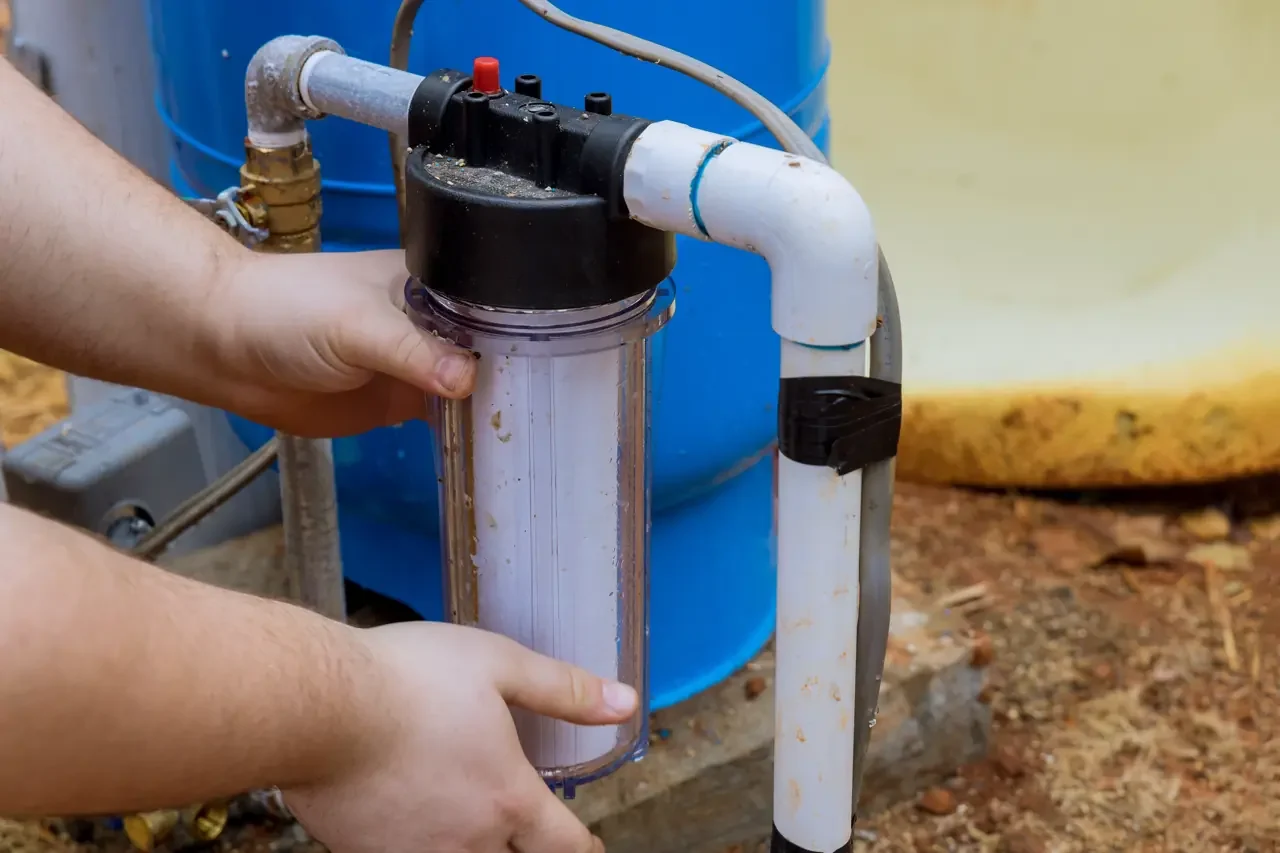
CDC lists filtration, disinfection, distillation, ultraviolet treatment, and softening among home treatment approaches. Each removes specific contaminants, so the selected system must match verified results.
Match equipment to the contaminant
Common approaches include:
- Sediment filtration for suspended particles
- Oxidation and filtration for iron or manganese
- Aeration or chemical oxidation for hydrogen sulfide
- Ultraviolet treatment for microorganisms after proper pretreatment
- Chlorination for certain bacterial concerns
- Water softening for hardness and selected dissolved minerals
- Reverse osmosis for specific drinking-water contaminants
- Neutralizing filters for acidic water
Whole-house treatment protects plumbing and appliances, while point-of-use equipment treats water at one fixture. Filters, lamps, chemical feeders, and media require scheduled service. Test treated water afterward to confirm performance.
For well water treatment services in Mt. Pleasant, NC, request test results, equipment specifications, maintenance needs, operating costs, and expected performance.
When should I test my well water for contamination?
Test private well water at least once each year and whenever color, taste, smell, or clarity changes. CDC recommends annual testing for harmful germs and chemicals, along with additional testing when a problem is suspected.
Also test after flooding, well repairs, casing damage, septic problems, unexplained illness, or a nearby spill.
Use a certified laboratory
Annual testing often includes coliform bacteria, nitrates, dissolved solids, and pH, though local officials may recommend more.
Consider expanded testing when:
- A pregnant person or infant uses the water
- Agricultural activity is nearby
- Fuel or chemical storage is present
- The well is shallow
- Plumbing corrosion is suspected
- Neighbors report contamination
- Treatment equipment is installed
Follow laboratory sampling instructions carefully. EPA and CDC recommend contacting local health authorities for help selecting tests and interpreting results because risks vary by location and nearby contamination sources.
Key Takeaways
Cloudy, rusty, or smelly well water may result from air, sediment, iron, manganese, hydrogen sulfide, bacteria, corrosion, plumbing, or well damage. Appearance and odor cannot confirm safety, so test changed water before drinking it.
Treatment must match verified contaminants and may involve filtration, oxidation, aeration, disinfection, softening, or plumbing repairs. Test private wells annually and after flooding, repairs, illness, or sudden changes.
Professional inspection and certified testing prevent wasted purchases while protecting water quality, plumbing, appliances, long-term well performance, household confidence, and better informed maintenance decisions over many future years.
Turn Water Problems Into Clear Answers
Well Doctor LLC can evaluate odors, discoloration, sediment, pressure concerns, well components, and existing treatment equipment before recommending a solution.
Share when the change began, whether it affects hot or cold water, and any recent flooding or repairs. Testing and inspection can identify whether the solution involves well repair, disinfection, filtration, oxidation, plumbing service, or another treatment.